
If your family keeps sneezing inside the house, don't assume it's just Georgia pollen drifting in from outside. I've seen plenty of homes around Cumming, Johns Creek, Milton, and the rest of Forsyth County where the actual problem was underfoot. The carpet looked fine. The room smelled fine. But the floors were holding onto the stuff that kept everybody congested.
That's why allergens in carpet deserve a straight answer, not fluff. Carpet can absolutely make a bad allergy situation worse. It can also be managed in some homes if you clean it properly and stop pretending a quick once-over with a cheap vacuum solves anything. If you're trying to decide whether to keep your carpet, deep clean it, or replace it with hardwood, LVP, laminate, or tile, this is the decision guide I'd want in my own house.
Is Your Cozy Carpet Making You Sick
You wake up in a Cumming home, the air conditioner kicks on, and somebody starts sneezing before coffee is even poured. The kids are rubbing their eyes. The dog is stretched out on the den floor. By supper, everyone feels worse inside the house than they did outside.
That pattern gets my attention fast. After 30 years in North Metro Atlanta homes, I can tell you this. Carpet is often part of the problem, especially older carpet in bedrooms, playrooms, bonus rooms, and any space that stays closed up with the HVAC running.
Georgia humidity makes the situation worse. Carpet holds onto what drifts in from outside, what gets tracked in on shoes, what pets shed, and what settles down into the fibers day after day. Once that buildup gets established, a room can look clean and still bother your sinuses.
What I tell homeowners first
If symptoms ease up when you leave the house and flare back up when you come home, put the flooring on your suspect list. Start with the rooms where your family spends the most time close to the floor. Nurseries, upstairs bedrooms, family rooms, and older carpeted stairs are common trouble spots.
Then make a decision based on the carpet's condition, not wishful thinking. If the carpet is newer and in good shape, clean it the right way and keep up with it. If it is old, matted, musty, or hanging onto pet issues year after year, stop pouring money into temporary fixes and start pricing replacement.
Carpet can still have a place in a family home, but you need to treat it like a material that affects indoor health, because it does.
To get a fair perspective on both the benefits and the limitations, review this guide on using carpet to improve air quality at home. Then evaluate your own house with a practical eye. In plenty of North Atlanta homes, the effective fix is not another round of cleaning. It is choosing a better flooring option for the way your family lives.
The Unseen Allergens Hiding in Your Carpet Fibers
Carpet collects allergens deep in the pile, and Georgia humidity helps them stay there. I've walked into plenty of homes around Cumming, Johns Creek, and Alpharetta that looked tidy at first glance, yet the carpet was still part of the family's allergy problem.

Dust mites love the setup
Dust mites do not care whether your carpet looks dirty. They care about food and shelter. Carpet gives them both, especially in bedrooms and upstairs rooms where people spend hours every night shedding skin cells into the pile.
Pile height matters more than homeowners want to admit. Thick, plush carpet hides buildup better, but it also makes cleanup harder. If a family already deals with allergies, I usually recommend low-pile carpet options over soft, deep styles because they are easier to vacuum, easier to maintain, and less likely to hold onto years of debris.
Pet dander spreads farther than you think
Pet dander does not stay where the pet sleeps. It moves through the house on air currents, clothing, upholstery, and foot traffic. Once it settles into carpet, it clings to the fibers and gets stirred back up every time somebody walks through the room.
That is why the living room often causes just as many symptoms as the pet's favorite corner.
Older carpet is usually the bigger offender. Worn traffic lanes, crushed pile, and lingering pet oils give dander more places to hang on. If you have cleaned the same rooms over and over and the house still smells or people still react, stop assuming the problem is only the air filter or the dog bed.
Pollen keeps coming in from outside
North Metro Atlanta pollen is relentless. In spring, it rides in on shoes, bare feet, backpacks, grocery bags, and the family dog. In fall, weed pollen and outdoor debris still make their way inside. Carpet catches all of it.
The worst spots are predictable. Entry areas collect what comes in from outside. Hallways and stairs spread it. Bedrooms hold what gets carried in on clothes, blankets, and laundry baskets. Kids' rooms deserve extra attention because children spend more time close to the floor.
Mold spores are where carpet stops being worth defending
Moisture is the line in the sand. In our part of Georgia, damp carpet can turn into a recurring health issue fast. Spills that soaked the pad, pet accidents that were never fully treated, old leak damage, basement dampness, and sloppy steam cleaning all create the same problem. Moisture below the surface.
If a carpet smells musty, feels damp, or has a known water history, I do not give it the benefit of the doubt.
At that point, cleaning may improve the surface while leaving the underlying problem down in the backing or pad. That is why homeowners need to think beyond cleanup and start weighing whether the room still deserves carpet at all. Good maintenance has its place, and resources like London House Cleaners carpet care can help with upkeep basics, but moisture-damaged carpet is often a flooring decision, not a housekeeping problem.
Your Action Plan for Cleaning and Maintaining Carpets
If you're keeping carpet, clean it like you mean it. Weak maintenance is worse than no plan at all because it gives people false confidence.
Studies reported by the Carpet and Rug Institute found that effectively cleaned carpets can result in lower airborne allergen levels than hard floors because the fibers trap particles and keep them from being re-circulated by foot traffic. Post-cleaning, particulate levels can drop by up to 90%. That's in the Carpet and Rug Institute summary of the Airmid research. The phrase that matters there is effectively cleaned. Not casually cleaned. Not occasionally cleaned.
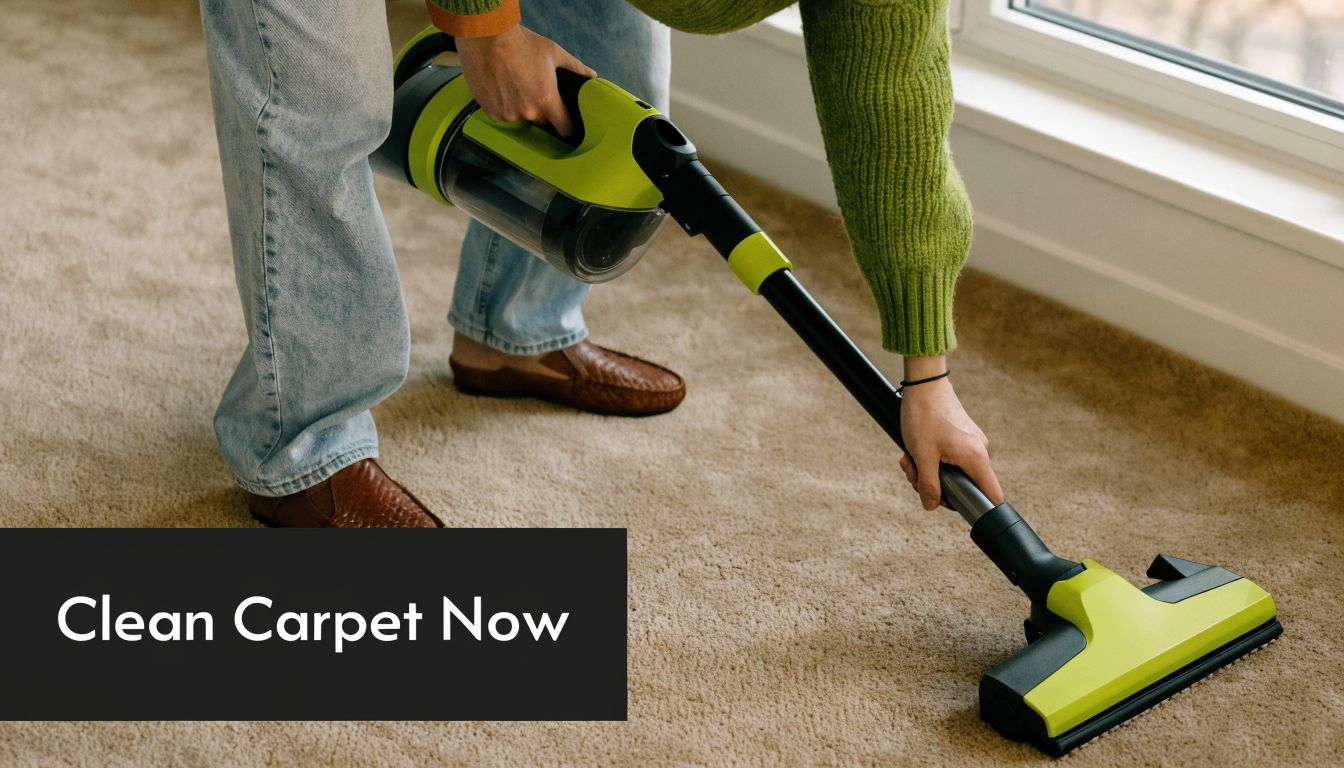
What your weekly routine should look like
If anybody in the house has allergies, your vacuum needs proper filtration and enough agitation to pull debris from the pile instead of blowing fine dust back into the room.
Use this routine:
Vacuum slowly, not quickly
Fast passes clean the top. Slow passes give the brush and suction time to work. High-traffic lanes need extra attention.Hit edges and under beds
That's where dust, pet hair, and neglected buildup collect. These spots get skipped in most homes.Vacuum more during heavy pollen periods
In spring especially, once a week often isn't enough in active households.Empty or replace filters on schedule
A clogged vacuum doesn't protect air quality. It just makes noise.
What regular vacuuming can't do
Even with a good machine, allergens settle deep into carpet over time. That's why professional deep cleaning matters. Hot water extraction is usually the right reset when the carpet is still structurally worth saving.
Here's where homeowners get it wrong. They wait until the carpet looks dirty. Allergens in carpet don't care whether the fibers still match the paint color and furniture.
Practical rule: If symptoms are ongoing, don't judge your carpet by appearance. Judge it by how the room feels to breathe in.
For practical prep ideas and maintenance habits that line up with what good carpet care should look like, I also like resources that focus on process, such as London House Cleaners carpet care. The useful part isn't the location. It's the reminder that good results come from method, not guesswork.
A no-nonsense cleaning checklist
- Use a sealed vacuum if possible: Fine particles shouldn't blow back into the room.
- Don't soak carpet with DIY rentals: Overwet carpet is a bad trade if humidity is already high.
- Treat spills immediately: Moisture left in the pad causes more trouble than the stain itself.
- Schedule deep cleaning before symptoms get extreme: Waiting too long usually means worse buildup and slower recovery.
- Keep shoes from grinding debris indoors: Entry habits matter more than is often realized.
If your carpet already looks tired but you're trying to buy time, this guide on how to clean a dirty carpet gives a practical baseline. Use it as maintenance, not as an excuse to ignore bigger warning signs.
When to Stop Cleaning and Start Replacing Your Carpet
Some carpet can be rescued. Some can't. Homeowners waste a lot of money trying to revive carpet that already lost the fight.
If the carpet has repeated odor problems, visible matting, a history of leaks, or symptoms that keep returning after proper cleaning, replacement becomes the smarter call. I'm not saying that to sell flooring. I'm saying it because old carpet can hold onto contamination in a way that makes every cleaning less effective over time.
Signs I'd take seriously
Musty smell that returns after cleaning
That usually points to a moisture issue, not just surface dirt.Traffic lanes that stay dark or crushed
Once the pile is worn down badly, the carpet won't behave the same way under cleaning.Past water damage or pet saturation
Padding problems don't disappear because the surface looks better.Ongoing indoor symptoms
If family members feel better away from home and worse in carpeted rooms, pay attention.
If you replace carpet with new carpet
Sometimes carpet is still the right choice. Bedrooms upstairs. Media rooms. Spaces where sound control and comfort matter. But if you're installing new carpet in an allergy-conscious home, choose carefully.
New carpet can release VOCs, but there's a right way to handle that. CRI Green Label Plus certified carpets have emissions below 0.5 mg/m²/hr, and proper ventilation for 48 to 72 hours can reduce initial VOC levels by over 99%, according to the Carpet Institute of Australia paper on carpet, asthma, and allergies.
That gives you a clear path:
| Decision point | My advice |
|---|---|
| Sensitive family members | Choose low-emission carpet products |
| Installation timing | Ventilate the area before regular use |
| Adhesives and materials | Ask specifically for low-VOC options |
| Room selection | Keep carpet out of damp or leak-prone areas |
My opinion after three decades in homes
If the carpet has become a health question mark, don't get sentimental about it. Flooring should serve the house. The house shouldn't serve the flooring.
A lot of homeowners hang on because replacing floors feels like a bigger project than it is. In reality, replacing bad carpet with the right surface often makes the home easier to clean, easier to show for resale, and easier to live in every day.
Healthier Flooring Options for North Metro Atlanta Homes
If severe allergies are already part of your life, hard surfaces usually make more sense. That's the plain truth. While carpet can trap allergens, research also shows that even low-pile carpets retain more allergens than hard floors, and vacuuming recovers only a fraction, leaving deeper reservoirs that can be disturbed by foot traffic. That's the key takeaway from this Healthline overview on carpet allergies.
So if you're weighing floor replacement in Cumming, Alpharetta, Roswell, Canton, Woodstock, Acworth, Johns Creek, or Marietta, here's how I'd break it down.
Allergy-friendly flooring comparison
| Flooring Type | Allergen Resistance | Best For | Considerations |
|---|---|---|---|
| Hardwood Flooring | High | Main living areas, bedrooms, resale-focused homes | Needs protection from standing moisture |
| Luxury Vinyl Plank LVP | High | Busy families, pets, basements, waterproof flooring needs | Quality matters. Cheap products can look artificial |
| Tile Flooring | High | Bathrooms, mudrooms, laundry rooms, pet-heavy homes | Hard underfoot and colder in winter |
| Laminate Flooring | Good | Affordable floor replacement in dry areas | Water resistance varies by product |
| Low-Pile Carpet | Lower than hard surfaces | Bedrooms where softness and sound control matter most | Needs disciplined maintenance |
My take on the best options
Hardwood flooring installation
For a lot of North Fulton and Forsyth County homes, hardwood flooring installation is still the strongest long-term choice if you want a cleaner, classic look. It doesn't hide debris the way carpet does. You see the dust, which means you remove the dust. That's good for allergy control and resale appeal.
Hardwood also fits almost every style buyers want right now, from farmhouse to modern to traditional.
Luxury vinyl plank and waterproof flooring
If you've got kids, dogs, or a basement that makes you nervous, LVP flooring is often the practical winner. It gives you the easy-clean advantage of a hard surface with better water tolerance than hardwood. For homeowners searching waterproof flooring in Canton, scratch-resistant flooring for dogs in Cumming, or pet-friendly flooring near me, LVP deserves a hard look.
I recommend it often for whole-home floor replacement when people want durability without the maintenance demands of wood.
Hard floors don't solve every allergy issue, but they remove one of the biggest hiding places.
Tile flooring
Tile flooring is hard to beat in wet zones. Kitchens, bathrooms, laundry rooms, and mudrooms benefit from a surface that won't absorb what gets dropped, splashed, or dragged in. For some households, tile throughout the main level also makes sense if health management comes first and comfort can be handled with washable area rugs.
Laminate flooring
Modern laminate flooring can be a smart affordable flooring option in the right rooms. It gives a cleanable surface and can work well in bedrooms, hallways, and living spaces that stay reasonably dry. I'd be selective about product quality and room placement.
What I'd choose by homeowner type
- For severe allergy sufferers: Hardwood, LVP, or tile.
- For pet owners wanting scratch resistance: LVP or tile.
- For resale prep with broad buyer appeal: Hardwood in main areas, new low-pile carpet only where comfort matters.
- For basement renovations: Waterproof flooring, usually LVP or tile.
- For budget-conscious updates: Laminate in dry areas, LVP where moisture is a concern.
If you still want carpet, keep it limited and strategic. Bedrooms only. Low pile. Easy to vacuum. No thick plush styles just because they feel soft in the showroom.
Answers to Your Top Flooring and Allergy Questions
Is carpet always bad for allergies
No. Poorly maintained carpet is bad for allergies. That's different. Some carpeted homes do fine when the flooring is clean, dry, and properly maintained. But if someone in the house has severe symptoms, hard surface flooring is usually the safer long-term bet.
What's the best flooring for pets and allergies
LVP flooring is the best compromise for many families. It's easier to clean than carpet, handles pet traffic well, and works in busy homes that need durability. Tile flooring is also strong if you want maximum cleanability. Hardwood flooring works well too, but you need to protect it from water bowls, accidents, and nail wear.
Should I replace carpet or just clean it first
If the carpet is still in decent shape, start with proper deep cleaning and better weekly maintenance. If it smells musty, has a moisture history, or keeps triggering symptoms after cleaning, move to replacement. Don't keep pouring money into a floor that's already telling you it's done.
Is low-pile carpet good enough for an allergy sufferer
It's better than thick plush carpet if you insist on carpet, but it still won't match hard flooring for allergen resistance. I'd use it only where carpet gives you a clear lifestyle benefit, like upstairs bedrooms or a media room.
What about VOCs from new carpet or new floors
That concern is real, but manageable. Choose low-emission products and ventilate after installation. Sensitive households should ask direct questions about certifications, adhesives, and how long the space should air out before normal use.
What flooring should I consider for a basement in North Metro Atlanta
Go with waterproof flooring. In most cases, that means LVP or tile. Basements and lower-level rooms don't need carpet if moisture is even a possibility. A floor that handles humidity and cleans easily is the smarter move.
What's best for high-traffic family rooms
For high traffic areas, I'd choose LVP, tile, or hardwood depending on the house and the lifestyle. Family rooms see pet traffic, snack spills, outdoor debris, and constant use. Carpet in those spaces takes a beating and stores too much.
Is professional cleaning worth it before listing a home for sale
Yes, if the carpet is staying. Clean flooring photographs better, smells better, and gives buyers fewer reasons to mentally discount the house. But if the carpet is visibly worn, replacing it may do more for the sale than cleaning ever will. Real estate agents around Roswell, Marietta, Alpharetta, and Cumming run into that decision all the time.
Which flooring gives the best mix of style and easy maintenance
For many North Atlanta homes, it's luxury vinyl plank flooring. You can get the wood-look style people want, a surface that's simpler to live with than carpet, and better moisture resistance than traditional hardwood. If your style leans more classic and you don't mind maintenance, hardwood still leads the pack.
How do I know which flooring is right for my house
Start with the room, the people, and the problems. If the issue is allergies, choose the surface that removes hiding places. If the issue is pets, choose scratch resistance and easy cleanup. If the issue is basement moisture, choose waterproof flooring. Good flooring decisions aren't about trends first. They're about how the house gets used.
If you're weighing carpet cleaning against full floor replacement, Flacks Flooring is a strong local place to start. They serve Cumming and the North Metro Atlanta area with in-home consultations, hardwood flooring installation, waterproof LVP, carpet installation, and practical guidance for families who need floors that look good and live better. If your house is telling you the old flooring has become a problem, get expert eyes on it and make the next move with confidence.