
When we talk about eco-friendly flooring, we're looking at materials that do more than just look good. These are floors that are sourced responsibly, have a light footprint on the planet throughout their life, and help keep the air inside your home healthy. Often, the stars of the show are renewable resources like bamboo and cork, or even materials reclaimed from previous lives.
But true sustainability is more than just the material itself. It’s the whole story.
What Truly Makes Flooring Eco-Friendly?
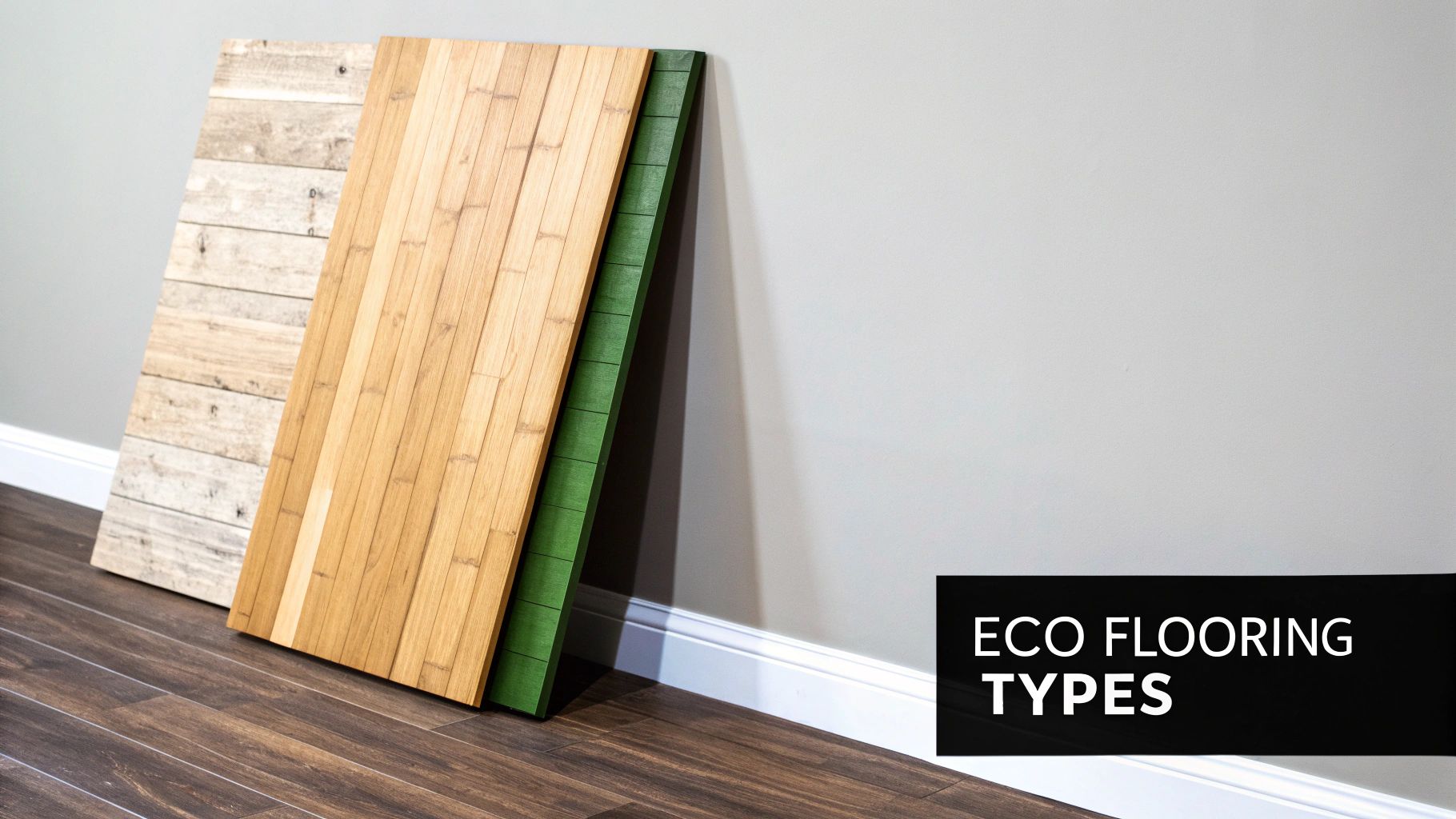
Think of the term "eco-friendly" as the complete biography of your floor, not just a catchy label. It’s a journey that starts in a forest or a field and ends in your living room. Every step of that journey matters in figuring out just how "green" a product really is.
To get the real picture, you have to look at the entire lifecycle. This "cradle-to-grave" (or even better, "cradle-to-cradle") perspective is the only way to understand a floor's true environmental impact.
The Lifecycle of a Sustainable Floor
It all starts at the source. For a wood or bamboo floor, this means looking at how it was harvested. Was it clear-cut, or was it selectively harvested to allow the forest to regenerate? Certifications from groups like the Forest Stewardship Council (FSC) are your assurance that the forest was managed in a way that protects biodiversity and supports local communities.
Next up is manufacturing. A low-impact production process is one that sips, not gulps, energy and water, all while keeping waste to a minimum. Natural linoleum, for example, is made from things like linseed oil and wood flour—materials that are not only abundant but also require far less intensive processing than their synthetic counterparts.
The biggest hit to your indoor air quality often comes from the chemicals hiding in adhesives and finishes. These can release Volatile Organic Compounds (VOCs)—gases that can be pretty rough on your health.
This is where you need to be a detective. Look for products with low or zero VOCs. Certifications like FloorScore are a great sign, as they test flooring for low chemical emissions. It’s a simple step to ensure the air your family breathes is clean.
Beyond Installation: The End of the Road
Finally, what happens when the floor has lived its life in your home? The most sustainable floors are the ones that stick around for a long, long time, cutting down on the need for replacements.
Materials like stone can literally last a lifetime. Hardwood can be sanded and refinished over and over, getting a fresh look with each generation. And when a floor really is at the end of its rope, its ability to be recycled or biodegrade is a huge environmental win. Finding creative ways for repurposing hardwood planks gives old materials a brand-new purpose instead of just sending them to a landfill.
By keeping all these stages in mind—from harvesting to finishes to what happens at the very end—you can confidently sort through your eco-friendly flooring options. It gives you a framework to make a choice that’s not just good for your home, but genuinely good for the planet, too.
Exploring the Top Sustainable Flooring Materials
Now that you have a solid framework for what makes a floor truly sustainable, let's get into the good stuff: the materials themselves. Going green with your flooring doesn't mean you have to compromise on style, durability, or comfort. The market is packed with beautiful, high-performing options that are as kind to the planet as they are to your home.
We're going to break down the top contenders, looking at where they come from, what makes them great, and any potential downsides to keep in mind. This isn't just a list; it's a deep dive to help you match the right material to your specific needs, whether you're tackling a high-traffic hallway or designing a cozy, non-toxic bedroom.
Bamboo: The Fast-Growing Hardwood Alternative
Many people lump bamboo in with hardwood, but it's technically a type of grass. That little detail is precisely what makes it so sustainable. While an oak tree can take 20 to 100 years to mature, bamboo is ready for harvest in just three to five years, making it an incredibly renewable resource.
This rapid growth cycle means bamboo can be harvested without causing the kind of deforestation we see with traditional logging. The root system stays in place and just keeps sending up new shoots. But it’s important to do your homework. Look for flooring made from mature Moso bamboo (which isn't a food source for pandas) and check that it’s manufactured with low-VOC or formaldehyde-free adhesives.
You'll generally find three main types of bamboo flooring:
- Strand-Woven Bamboo: This is the toughest of the bunch. Bamboo stalks are shredded, mixed with a resin, and then compressed under intense heat and pressure. The planks that come out are often twice as hard as oak.
- Vertical and Horizontal Bamboo: These names refer to how the grain appears. Horizontal shows off the classic "knuckles" of the bamboo stalk, while vertical creates a more linear, striped pattern. Both are a bit softer than the strand-woven variety.
With its clean, modern aesthetic, bamboo is a fantastic and resilient choice for living rooms, dining areas, and bedrooms.
Cork: The Comfortable and Quiet Choice
If comfort underfoot is high on your list, cork flooring is tough to beat. The story behind this material is the very definition of sustainability. It's harvested from the bark of the cork oak tree, which is carefully stripped away by hand every nine years without harming the tree itself. A single tree can live for over 200 years and provide multiple harvests throughout its life.
The stripped bark is ground up, compressed, and baked into durable sheets for flooring.
Cork's natural cellular structure, which contains millions of tiny air pockets, gives it a uniquely cushioned feel. This not only eases the strain on your joints but also makes it a fantastic natural insulator for both sound and temperature.
This built-in insulation can even help trim your heating and cooling bills, adding to its long-term value. Cork is also naturally antimicrobial and resistant to mold and mildew, which is a big win for healthier indoor air. While it's naturally moisture-resistant, you'll want a top coat of a low-VOC sealant in places like kitchens to prevent water from getting between the tiles or planks.
Natural Linoleum: The All-Natural Classic
First things first: forget the synthetic vinyl flooring you might be picturing. True, natural linoleum is one of the greenest flooring options you can find, made from a simple recipe of all-natural, renewable materials.
The ingredients list sounds more like something from a health food store than a factory:
- Linseed oil (from flax plants)
- Pine resin
- Wood flour
- Cork dust
- Ground limestone
- Natural pigments
This mixture is pressed onto a jute backing, another natural fiber. Because it's made entirely from natural materials, linoleum is biodegradable at the end of its very long life. It’s also naturally anti-static and antimicrobial, so it repels dust and dirt, making it a breeze to clean and a great pick for households with allergy sufferers.
Available in an incredible range of vibrant colors and patterns, linoleum gives you tons of design flexibility. It’s exceptionally durable and can last for decades, making it a perfect fit for busy kitchens, bathrooms, and entryways. For a better sense of how linoleum fits into the bigger picture of green construction, check out a guide to sustainable building materials.
Reclaimed Hardwood: Giving Old Wood New Life
Love the timeless beauty of hardwood but worry about the environmental cost? Reclaimed wood is the answer. This is lumber salvaged from old buildings, barns, warehouses, and even retired wine barrels. By repurposing this wood, you’re not only saving it from a landfill but also reducing the demand for new trees to be cut down.
Each plank of reclaimed wood tells a story. It comes with character—nail holes, saw marks, and a rich patina that you just can't fake with new materials. This gives your floor a truly one-of-a-kind look that adds immense warmth and history to any room.
Finding good reclaimed wood takes a bit more effort, but the payoff is huge. It’s the ultimate form of recycling in the building world. Just make sure the wood you buy has been properly de-nailed, treated for pests, and kiln-dried to ensure it will be stable in your home.
Recycled and Natural Fiber Carpet
Carpet often gets a bad reputation in sustainability circles, usually because of the synthetic materials and harsh chemicals used in many mainstream products. But for those who love the softness and warmth of carpet, there are some fantastic eco-friendly options.
Wool carpet is one of the best choices out there. Wool is a natural, renewable, and biodegradable fiber. On top of that, it’s incredibly durable, naturally flame-resistant, and even acts as a natural air filter by trapping dust and common pollutants. Its natural springiness helps it resist crushing, so it stays looking good for years.
Another great avenue is carpet made from recycled materials. Some of the most popular types include:
- PET (polyethylene terephthalate) carpet: This is made from recycled plastic bottles. It’s surprisingly soft, naturally stain-resistant, and available in a huge variety of colors.
- Recycled Nylon: Often sourced from old fishing nets or used carpeting, recycled nylon is extremely durable and resilient, making it a workhorse for high-traffic areas.
No matter which carpet you choose, always look for a low-VOC backing and ask about the recommended adhesives to keep your indoor air as healthy as possible. These options prove you don’t have to sacrifice comfort to make a responsible choice.
Eco Friendly Flooring Options At a Glance
Feeling a bit overwhelmed? It's a lot to take in. Here’s a quick comparison table to help you see how these fantastic materials stack up against each other based on what matters most.
| Material | Key Eco-Benefit | Durability | Average Cost (per sq ft) | Best For |
|---|---|---|---|---|
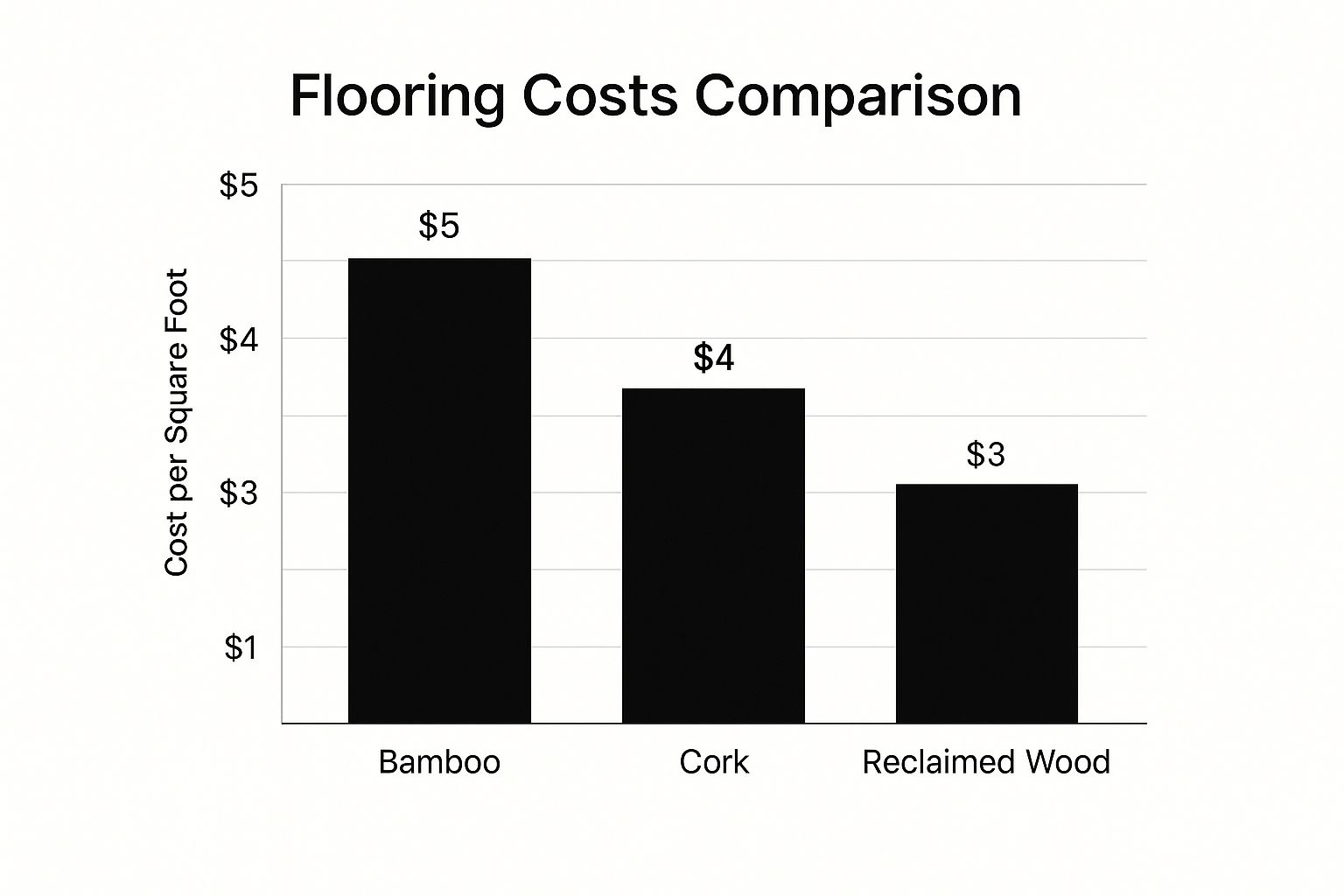
| Bamboo | Rapidly renewable grass (3-5 year harvest) | High to Very High | $5 – $11 | Living areas, bedrooms, modern aesthetics |
| Cork | Harvested from tree bark (tree is unharmed) | Medium to High | $4 – $9 | Kitchens, playrooms, areas where comfort is key |
| Natural Linoleum | Made from all-natural, biodegradable materials | Very High | $4 – $8 | Kitchens, bathrooms, high-traffic entryways |
| Reclaimed Hardwood | Diverts waste from landfills; no new trees cut | Very High | $8 – $20+ | Anywhere you want unique character and history |
| Wool Carpet | Natural, renewable, and biodegradable fiber | High | $6 – $20 | Bedrooms, living rooms, cozy spaces |
| Recycled Carpet | Made from recycled plastic bottles or nylon | High | $3 – $7 | High-traffic areas, family rooms, basements |
This table is just a starting point, of course. The "best" option always comes down to your project's specific needs, your budget, and your personal style. But hopefully, it gives you a clear snapshot of the amazing sustainable choices available today.
Why Sustainable Flooring Is a Smarter Investment
Choosing sustainable flooring goes far beyond just making an eco-conscious choice. It's a savvy investment in your home's long-term health and value. We're seeing a real shift in how people think about home design, moving away from short-term trends and toward creating spaces that are safe, non-toxic, and built to stand the test of time.
This movement is pushing the entire flooring industry to innovate. As homeowners get smarter about the health risks tied to materials that release harmful chemicals into the air—a process called off-gassing—the demand for floors with low or zero VOCs (volatile organic compounds) has skyrocketed. In response, manufacturers are rolling out incredible new options that are not only greener but also more durable, stylish, and often surprisingly affordable.
The Financial and Health Benefits
When you invest in sustainable flooring, you're getting returns in a few different ways. First and foremost, you're dramatically improving your home's indoor air quality. By choosing materials without a cocktail of toxic chemicals, you create a healthier living space for your family. This is a game-changer, especially if you have kids, pets, or anyone with allergies.
Beyond the health perks, many eco-friendly floors are simply built to last. Think about it: materials like reclaimed hardwood, natural stone, and high-quality bamboo can look great for decades, which means you won't be dealing with the cost and hassle of a replacement anytime soon. That durability keeps old flooring out of landfills and more money in your wallet over the long run.
A home's green features aren't just a "nice-to-have" anymore—they're becoming a core part of its market value. As more people prioritize sustainability, homes with eco-friendly upgrades often grab more attention from buyers and can sell for a higher price.
The market numbers back this up. The global sustainable flooring market is on track to hit a valuation of around $9.489 billion in 2025, with a projected annual growth rate of 5.3% through 2033. This isn't just a niche market; it's being driven by real consumer demand and tougher building codes. You can find more details about this market growth on Data Insights Market.
Aligning with Future Building Standards
Green building isn't a futuristic idea; it's happening now. Certifications like LEED (Leadership in Energy and Environmental Design) have become the gold standard for quality construction, and your choice of flooring plays a big part in hitting those benchmarks. Opting for a certified eco-friendly floor can earn you valuable points toward a home’s green rating.
By choosing sustainable flooring today, you're essentially future-proofing your home. You're making a choice that aligns with where building standards are headed, ensuring your property stays modern, valuable, and appealing for years to come. It turns a simple purchase into a smart, forward-thinking investment.
How to Choose the Right Green Flooring for Your Home
Picking the right sustainable flooring isn't about finding one single "best" material. It's about finding the perfect fit for your lifestyle and your home's specific demands—it's a bit of a balancing act. The tough, scratch-proof floor that's a lifesaver in a hallway full of kids and pets probably isn't the best pick for a steamy bathroom. This guide will walk you through the key factors, helping you make a clear and confident choice.
Think of each room in your house as having its own unique job. A busy entryway needs to stand up to heavy foot traffic, tracked-in dirt, and whatever the weather throws at it. A bedroom floor, on the other hand, is all about comfort, quiet, and creating a healthy space to unwind.
Assess Your Room's Specific Needs
Before you even think about looking at samples, take a minute to really analyze the space. This simple first step will instantly narrow down your choices and save you from falling in love with a beautiful floor that just isn't practical.
Ask yourself a few important questions:
- How much foot traffic does the room get? Hallways, kitchens, and family rooms need something seriously durable, like strand-woven bamboo or natural linoleum. Softer materials like cork might be a better match for bedrooms or home offices.
- Is moisture a concern? When it comes to bathrooms, laundry rooms, and basements, moisture resistance is a must. Ceramic or porcelain tile and a properly sealed natural linoleum are fantastic choices here.
- What is the room's main purpose? For a playroom or kitchen where you're on your feet all day, the natural cushioning of cork can be a game-changer. For a cozy bedroom, it's tough to beat the warmth and softness of a natural wool carpet.
- How much maintenance are you willing to do? Be realistic about your cleaning routine. Tile and linoleum are famously easy to care for, while some hardwood floors need a bit more specific attention to stay looking their best.
Decode Labels and Certifications
Once you have a shortlist of materials, it’s time to put on your detective hat and look at the labels. Certifications are your proof that a product is genuinely "green." They cut through the marketing fluff and give you third-party verification of a floor's impact on the environment and your health.
Here are the most important seals of approval to look for:
- Forest Stewardship Council (FSC): This is the gold standard for any wood-based product, from hardwood to bamboo. An FSC logo is your guarantee that the material was sourced from a responsibly managed forest that protects wildlife and respects local communities.
- FloorScore: This certification is all about your indoor air quality. It tests for emissions of Volatile Organic Compounds (VOCs), ensuring the flooring won't release harmful chemicals into your home.
- GreenGuard: Similar to FloorScore, GreenGuard Certification also screens for low chemical emissions, helping you create a healthier living environment from the ground up.
Think of these certifications as a nutritional label for your floor. They provide clear, unbiased information about what you're bringing into your home, so you can make the healthiest possible choice for your family.
To help you put all this information together, use this checklist to match your room's needs with the right materials.
Green Flooring Selection Checklist
Use this checklist to evaluate your needs and find the ideal eco-friendly flooring option for any room in your house.
| Consideration | Your Requirement | Recommended Materials |
|---|---|---|
| Durability | High-traffic area (hallway, kitchen) | Strand-Woven Bamboo, Natural Linoleum, Reclaimed Hardwood |
| Moisture Resistance | Prone to spills/humidity (bathroom, basement) | Ceramic/Porcelain Tile, Concrete, Marmoleum |
| Comfort & Cushion | Standing for long periods (kitchen, playroom) | Cork, Natural Wool Carpet, Rubber |
| Indoor Air Quality | For sensitive individuals (bedroom, nursery) | Any material with FloorScore or GreenGuard certification |
| Maintenance Level | Easy to clean | Polished Concrete, Tile, Natural Linoleum |
This simple exercise can quickly point you in the right direction and make your final decision much easier.
Balance Budget, Style, and Long-Term Value
Finally, it's time to weigh the practical side of things: cost and personal style. While some sustainable options like reclaimed wood might have a higher price tag upfront, their incredible durability often makes them a smarter investment over the long haul by cutting down on replacement costs.
If you're leaning toward a classic wood floor, our guide on how to choose hardwood flooring can give you some great insights into balancing cost and quality.
Set a realistic budget, but don't forget to think about the floor's lifecycle cost. A cheaper option that you have to replace in five years is far less economical than a more durable one that will last for twenty. Most importantly, pick a style that you genuinely love. A beautiful, sustainable floor should be something that brings you joy and pride for many years to come.
Installation and Care for Long-Term Sustainability
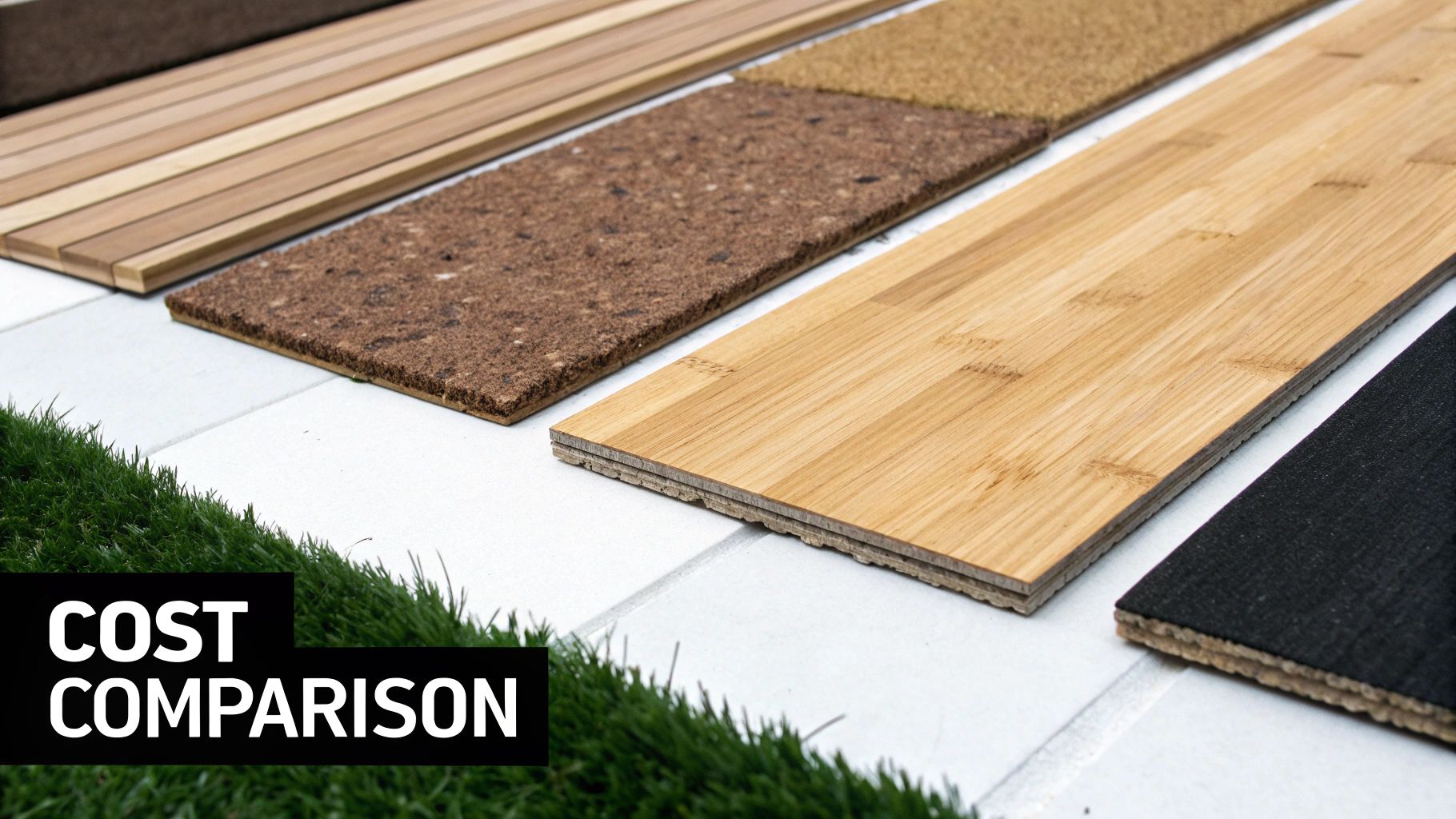
Choosing an eco-friendly floor is a brilliant start, but the work doesn't stop once you've picked your material. How you install it and care for it over the years is just as important for protecting your investment and its green benefits.
Think of it this way: you wouldn't buy fresh, organic produce just to spray it with chemical pesticides at home. In the same way, pairing a beautiful natural floor with toxic adhesives or harsh cleaners completely defeats the purpose. It can introduce the very substances you were trying to avoid.
A Healthy Installation From the Ground Up
The installation itself is your first big test. What you use to stick the floor down and what you use to seal it can make or break its health benefits. Many traditional adhesives and finishes are packed with Volatile Organic Compounds (VOCs), which are chemicals that "off-gas" into your home and tank your indoor air quality.
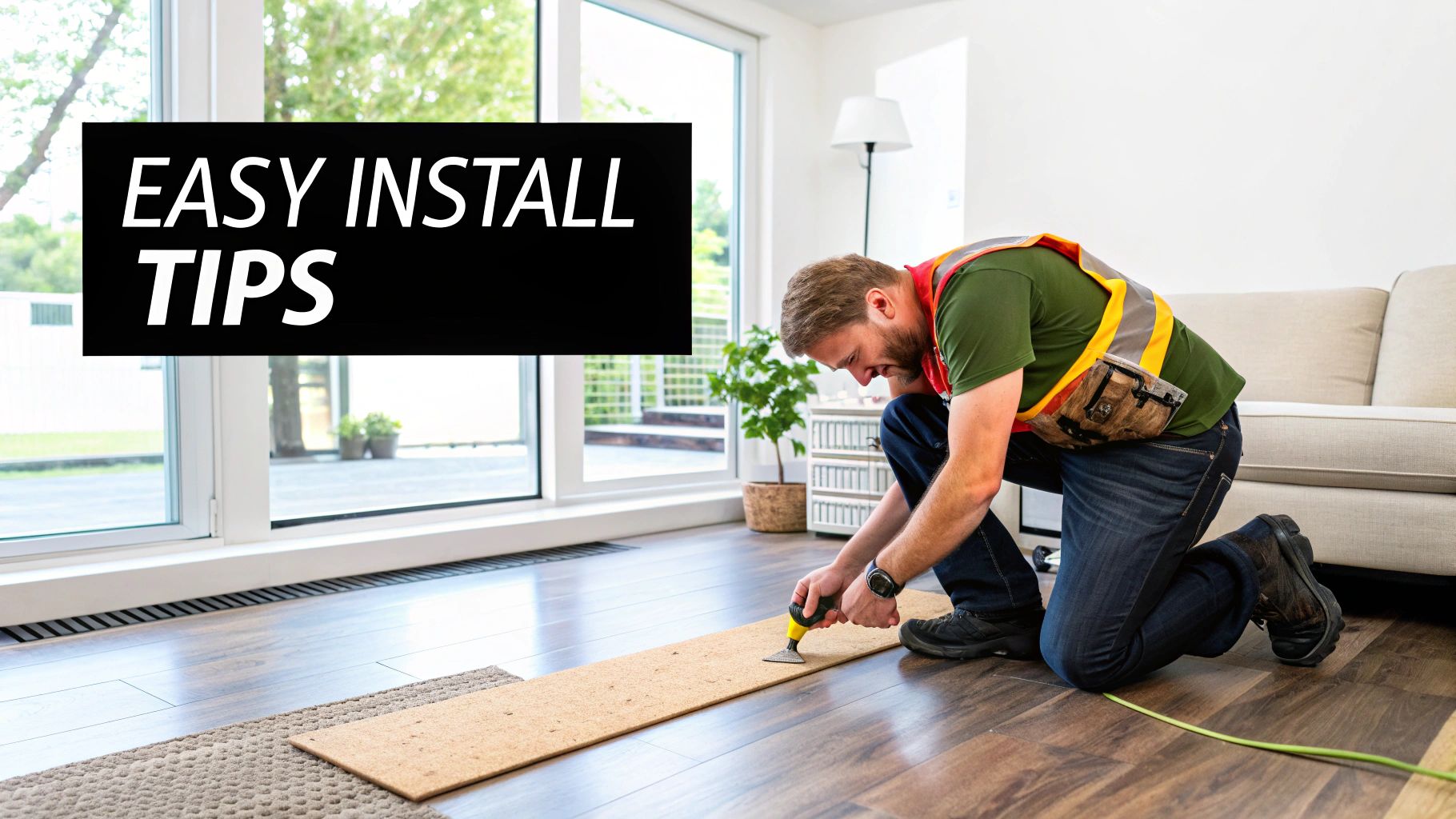
To keep the air in your home clean and safe, make sure your installer is using healthier alternatives.
- Zero-VOC or Low-VOC Adhesives: These have been formulated specifically to cut down on harmful emissions, so your family can breathe easy from day one.
- Mechanical Fastening: For solid floors like hardwood or bamboo, simply using nails or staples is a fantastic option that sidesteps glue altogether.
- Floating Floor Systems: A lot of modern flooring, like cork or engineered wood, now comes with brilliant click-lock systems that don't need any adhesive at all.
A low-emission installation isn't just about being green; it's a direct investment in your family's health. A floor certified for clean air can have its benefits totally negated by a high-VOC glue.
Gentle Care for a Longer Lifespan
Once your floor is down, the name of the game is making it last. Durability is a huge part of sustainability—the longer your floor lasts, the less waste ends up in a landfill. And the secret to a long life? Simple, gentle care.
Harsh chemical cleaners are the enemy. They can strip away protective finishes, damage the natural fibers of your floor, and fill your home with toxins. Instead, you can rely on tried-and-true methods that are safe for your floor, your family, and the planet.
Material-Specific Cleaning Tips
Every eco-friendly floor has its own personality and needs a slightly different touch when it comes to cleaning. Getting the routine right will keep it looking fantastic for decades.
- Cork and Hardwood: A soft-bristled broom or a vacuum (just turn off the beater bar!) is perfect for daily dust. Wipe up spills right away with a barely damp cloth to prevent water damage.
- Natural Linoleum: This one is easy. A quick sweep and the occasional once-over with a pH-neutral cleaner are all it takes to keep it looking sharp.
- Wool Carpet: Vacuum regularly—that's your number one tool. If a spill happens, blot it immediately and treat it with a gentle, wool-safe spot cleaner. Never scrub aggressively, as that can permanently damage the fibers.
When you stick to these simple practices, you're not just cleaning; you're preserving a healthy, beautiful foundation for your home. If you want to dive deeper, checking out some powerful natural floor cleaning solutions can give you even more ideas for keeping your floors spotless without the harsh chemicals.
Got Questions About Eco-Friendly Flooring? We've Got Answers.
When you're digging into the world of sustainable flooring, it's totally normal for questions to pop up. Making the right choice for your home is a big deal, and a few uncertainties can stand in the way of a confident decision. Let's clear the air and tackle some of the most common questions we hear from homeowners.
We'll get into everything from budget realities to how these floors hold up in the real world—you know, the one with pets, kids, and daily life. The goal here is simple: to give you the straightforward information you need to move forward.
Are Eco-Friendly Options More Expensive?
This is usually the first thing on everyone's mind, and the honest answer is: not necessarily. It really depends on what you choose. While some high-end options like reclaimed antique hardwood definitely come with a premium price tag, many sustainable choices are surprisingly affordable. Materials like natural linoleum or certain recycled carpets, for instance, are priced right alongside traditional flooring.
But the initial price tag isn't the whole story. You have to think about the long-term value. A super-durable floor like strand-woven bamboo or porcelain tile might cost a little more upfront, but it could save you a ton of money over the next few decades because you won't have to replace it. This "lifecycle cost" is where the real investment pays off.
When you factor in the incredible durability, lower maintenance, and the huge plus of cleaner indoor air for your family, the overall value of sustainable flooring often easily surpasses the initial sticker price. You're really investing in your home and your health.
Which Sustainable Floors Are Best for Pets?
If you have pets, you need a floor that's ready for battle—one that can handle claws, muddy paws, and the occasional accident. The good news is, a lot of eco-friendly materials are more than up to the task. The two things you need to prioritize are durability and how easy the floor is to clean.
Here are a few of our top picks for homes with furry family members:
- Strand-Woven Bamboo: This stuff is exceptionally hard and tough to scratch, making it a champion in homes with active dogs and cats. Its smooth surface also makes cleaning up messes a breeze.
- Natural Linoleum: Because it comes in a single, seamless sheet, there are no grout lines or cracks for pet hair and dander to hide in. It’s also naturally antimicrobial and incredibly resilient.
- Cork Flooring: Don't let its softness fool you. Cork has a natural ability to bounce back from minor dings and scratches. Its antimicrobial qualities are another big win, and its slight cushioning is much more comfortable for older pets' joints.
- Porcelain Tile: Made from natural clay fired at high temperatures, porcelain is practically indestructible and completely waterproof. It’s one of the easiest surfaces to keep clean and hygienic, no matter what your pets throw at it.
How Do I Know If a Product Is Genuinely Green?
With so much "greenwashing" out there, having a healthy dose of skepticism is a good thing. Vague claims like "all-natural" or "eco" don't mean much without proof. The best way to know for sure is to look for well-known, third-party certifications. These labels are your guarantee that a product has actually met strict environmental and health standards.
Always keep an eye out for these key certifications:
- Forest Stewardship Council (FSC): For any wood or bamboo flooring, this is the gold standard. It confirms the material came from a responsibly managed forest that protects wildlife and supports the people who live and work there.
- FloorScore: This certification is all about your indoor air quality. A FloorScore label means the flooring has been independently tested and proven to have very low emissions of Volatile Organic Compounds (VOCs).
- GreenGuard: Working similarly to FloorScore, GreenGuard is another trusted certification ensuring that products meet strict chemical emission limits. It’s another great indicator of a healthier choice for your home.
These certifications help you cut through the marketing fluff. By looking for these logos, you can be confident that the beautiful new floor you’re bringing home is truly a healthy and sustainable choice.
Ready to explore beautiful, healthy, and sustainable flooring for your home? The experts at Flacks Flooring are here to guide you through every step, from selecting the perfect material to ensuring a flawless installation. Visit our showroom in Cumming, GA, to see our wide selection and discover the perfect foundation for your space.