
Meta Title: SPC vs WPC Flooring in Cumming, GA
Meta Description: Compare SPC vs WPC flooring in Cumming, GA. Learn what works best for Forsyth County homes, lake homes, basements, kids, pets, and humidity.
Suggested URL Slug: /spc-vs-wpc-cumming-ga/
If you are standing in your kitchen in Cumming, GA, looking at scratched floors, muddy paw prints, red clay at the back door, and wondering what will hold up in a North Georgia home, this is a decision many homeowners get stuck on.
A lot of homeowners across Forsyth County, from newer HOA neighborhoods to Lake Lanier homes, know they want waterproof flooring that looks like hardwood. The question is whether spc vs wpc points you toward the tougher floor or the softer, quieter one. Both are luxury vinyl plank options. Both can work well. But they do not perform the same way in real life.
If you want help comparing samples in person, schedule a free flooring consultation, visit our Cumming showroom, or call today for a flooring estimate.
SPC vs WPC The Right Waterproof Floor for Your Cumming GA Home
A family in Cumming or Alpharetta usually starts in the same place. They want the wood look. They do not want to worry about wet winter shoes, spring pollen getting tracked in, or kids flying through the house from the yard to the kitchen to the living room.
That is where waterproof LVP becomes a smart option for North Georgia homes. It gives you the visual of wood without asking you to baby the floor every day.
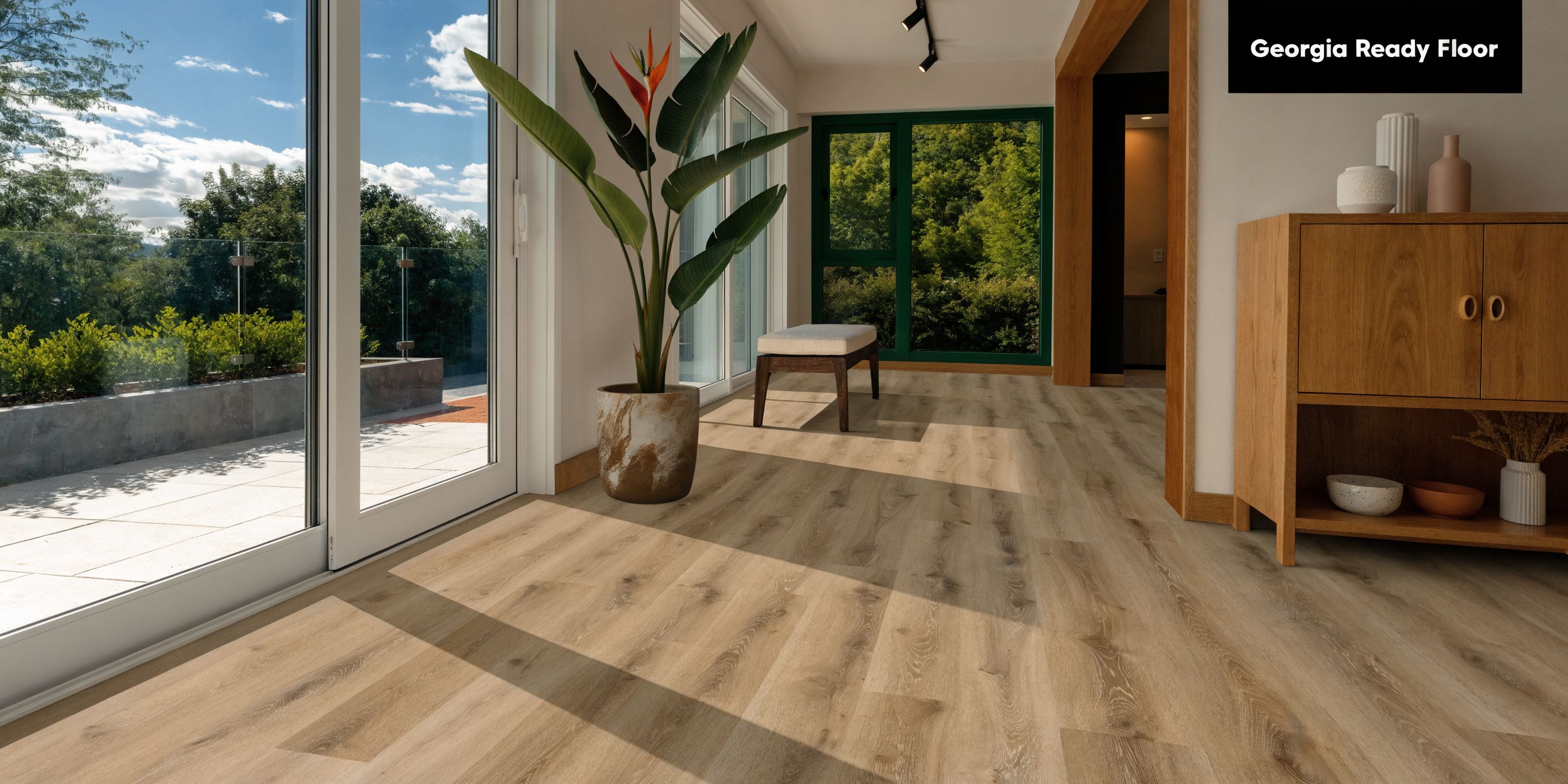
The problem is that online advice about spc vs wpc is usually too generic. It does not account for Georgia humidity, seasonal expansion and contraction in the house, red clay from the driveway, muddy traffic after rain, or the way active family homes in Forsyth County really get used.
Here is the plain answer.
- Choose SPC if you care most about dent resistance, rigid performance, and a floor that can handle harder daily abuse.
- Choose WPC if you care most about comfort underfoot, quieter rooms, and a softer feel in spaces where people linger.
A good decision comes down to where the floor is going and how your household lives on it. A kitchen in Johns Creek does not ask the same things from a floor that an upstairs bedroom in Milton does.
Practical takeaway: If you are trying to choose one floor for your whole house, start with the hardest-working room. That room usually tells you whether durability or comfort matters more.
Why This Choice Matters More in Forsyth County
People in other parts of the country can read a national flooring article and still get decent advice. In Forsyth County, that is harder.
North Georgia homes deal with a mix of conditions that change how a floor performs over time. Summer humidity hangs in the air. Winter brings wet shoes and muddy traffic. Spring pollen settles on everything, then gets swept and dragged across the floor. Add red clay from yards, dogs running in from the backyard, and lake traffic in and out of Cumming lake homes, and the floor gets tested fast.
North Georgia homes put different stress on flooring
A house near Lake Lanier, a finished basement in Cumming, and an open-concept home in Suwanee do not behave the same. Moisture exposure, direct sunlight, foot traffic, and subfloor conditions vary a lot.
That matters because SPC and WPC respond differently to pressure, comfort demands, and long-term wear.
One of the biggest gaps in online advice is local climate context. As noted by Carpet Exchange’s discussion of humid-climate SPC vs WPC performance, coverage often repeats that SPC has a denser core and better dent resistance, but does not provide much long-term data for humid areas like Georgia’s Forsyth County. That is exactly why local guidance matters more than a generic chart.
Everyday life in Cumming changes the answer
In this market, flooring choices are tied to how people live.
- Active family homes: Kids, pets, backpacks, sports gear, and constant traffic usually push the decision toward the tougher option in main areas.
- Finished basements: Waterproof matters a lot, but so does how the floor sits over concrete and handles seasonal dampness.
- New construction communities: Many homeowners want to upgrade builder-grade flooring with something that looks cleaner and holds up better over time.
- Lake homes and mudrooms: Entry points take a beating from water, grit, and heavy use.
- Second floors and bedrooms: Sound control and comfort often matter more than maximum hardness.
Generic advice misses local style and layout
A lot of homes across North Atlanta, including Johns Creek, Buford, Milton, and Woodstock, have open floor plans. That means one flooring decision can affect the kitchen, living room, dining area, and hallway all at once.
It also means mistakes are more visible.
If the floor feels too hard in a big family space, people notice. If it dents under furniture in a busy room, people notice that too. In a large open-concept layout, there is nowhere for a bad flooring choice to hide.
Local rule of thumb: In Cumming and greater Forsyth County, the best floor is not the one with the best brochure. It is the one that matches humidity, traffic, room use, and how much abuse your household creates in a normal week.
Understanding SPC and WPC The Building Blocks of Your Floor
A homeowner walks in after a week of rain, red clay stuck to the dog’s paws, kids behind them, lake towels over one shoulder, and asks why one waterproof floor costs more than another. The answer usually starts in the core.
Both SPC and WPC fall under luxury vinyl plank. Both handle water well. The primary difference is the layer in the middle of the plank, because that core affects how the floor feels, how it sounds, and how it holds up in a North Georgia house.
What SPC is
SPC stands for Stone Plastic Composite. It has a hard, dense, rigid core.
That rigidity is what people notice first once the floor is down. SPC feels solid underfoot and stays that way under heavy traffic, dining chairs, pet nails, and the kind of daily grit that gets tracked in from Forsyth County driveways and red clay yards. In homes where durability comes first, that harder core is usually the reason SPC makes sense.
It also tends to hide fewer subfloor problems. If the floor underneath is not flat enough, SPC can telegraph that issue because it does not have much give.
What WPC is
WPC stands for Wood Plastic Composite. Its core is thicker, lighter, and more cushioned.
That softer construction changes the walking feel right away. WPC has more give, more warmth underfoot, and better sound control in many homes. Upstairs bedrooms, finished basements, and rooms where people spend time standing often benefit from that softer feel.
In practical terms, WPC is usually the more comfortable product. SPC is usually the tougher one.
| Flooring type | Core feel | What you notice most |
|---|---|---|
| SPC | Dense and rigid | Firmer feel, stronger dent resistance |
| WPC | Lighter and cushioned | Softer feel, quieter foot traffic |
That difference matters more here than a lot of online articles admit.
North Georgia homes deal with muddy entries, humid summers, concrete basement slabs, and busy open layouts where one floor may run from the kitchen through the living room and into the hall. In that kind of setup, the core is not a technical detail. It changes the day-to-day experience of the house.
For homeowners who want a broader foundation before comparing products, our guide on what vinyl plank flooring is explains how these floors are built and why the layers matter.
The short version is simple. SPC gives up some comfort to gain toughness. WPC gives up some rigidity to gain softness and quieter living. Neither one is better in every room. The better choice depends on what your floors have to deal with in your home.
SPC vs WPC A Head-to-Head Comparison for Cumming Homeowners
A floor can look great in the showroom and still be the wrong fit for a North Georgia house.
Around Cumming, the true test is what happens after a wet week at Lanier, red clay gets tracked through the back door, the dog tears across the kitchen, and the HVAC cycles through another humid summer day. That is where the SPC versus WPC choice gets practical fast.
| Feature | SPC | WPC |
|---|---|---|
| Best known for | Durability and rigidity | Comfort and sound control |
| Feel underfoot | Firmer | Softer |
| High-traffic performance | Excellent | Good |
| Bedrooms and quiet spaces | Good | Excellent |
| Basements and busy entry zones | Excellent | Good |
| Price direction | Generally lower | Generally higher |
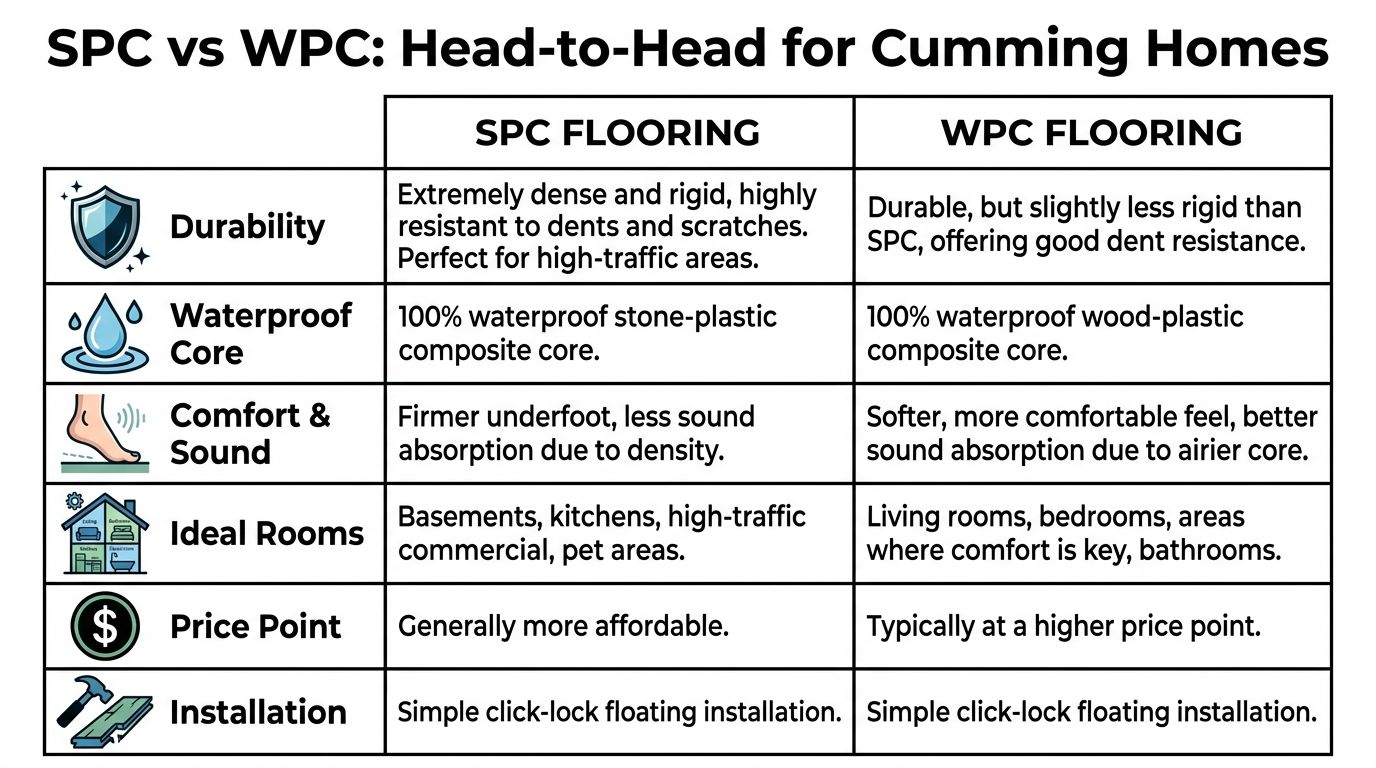
Durability and dent resistance
SPC has the edge here.
In real homes, that usually shows up under bar stools, dining chairs, rolling office chairs, big dog nails, and furniture legs that never seem to stay put. The denser, more rigid core holds up better to repeated pressure and hard daily use.
I point homeowners toward SPC more often in spaces like these:
- kitchens with heavy chair movement
- mudrooms that take constant traffic
- homes with large dogs
- rentals
- entryways that collect grit and red clay
- households where furniture gets moved more often than planned
That last point matters more in Forsyth County than some articles admit. A lot of homes here have open main levels, active families, and direct traffic from garage to kitchen. Floors in those paths take abuse every day.
WPC still performs well. It just gives a little more under pressure, so it is not usually my first pick where dent resistance is the top priority.
Comfort and sound
WPC is the better fit for comfort-first rooms.
The difference is easy to feel. WPC has more cushion underfoot, and it usually sounds quieter in upstairs rooms, bonus rooms, bedrooms, and hallways where footsteps can carry. If someone in the house spends a lot of time cooking, folding laundry, working from a home office, or walking barefoot, that softer feel has real value.
WPC often works well in:
- upstairs bedrooms in Milton
- family rooms in Johns Creek
- bonus rooms over garages
- homes where sound carries through open stairwells
- spaces where a hard floor feel gets old fast
SPC can still work in those rooms. It just feels firmer, and some homeowners notice that right away.
Best use case for WPC: Rooms where comfort, warmth underfoot, and quieter foot traffic matter more than maximum rigidity.
Dimensional stability
SPC usually handles changing conditions better.
That matters in North Georgia homes with strong afternoon sun, wide window walls, basement slabs, and indoor humidity that is not always perfectly controlled. A rigid core tends to stay more predictable in those tougher conditions, especially across longer runs.
SPC is often the safer choice in:
- sunlit living rooms
- basement areas
- spaces near exterior doors
- homes with long open-concept runs
- properties with indoor conditions that fluctuate through the year
This distinction is important for avoiding movement-related problems that show up later. In plain terms, the floor in a bright family room off the deck has a different job than the floor in a shaded upstairs bedroom.
WPC can still perform well. I just treat it as a comfort-driven product first, not the one I reach for when stability is the main concern.
Overall thickness and subfloor forgiveness
Homeowners can get tripped up at this point, because both products solve different subfloor problems.
WPC usually feels more forgiving underfoot if the floor below is a little less than perfect. On older wood subfloors or second-story rooms, that extra body can help the finished floor feel less harsh. In a remodel, that can make a room more comfortable even if the structure underneath is not brand new.
SPC brings a different advantage. Its rigidity can help span small irregularities better in some situations, especially on concrete that is close to flat but not flawless. That said, neither one should be used to hide a bad subfloor.
Proper prep still decides whether the floor performs well. Homeowners comparing products and installation budgets should also review what really affects a quote in this guide to the true cost to install vinyl flooring.
Waterproof performance
Both are waterproof.
For kitchens, baths, laundry rooms, and finished basements, either one can work. The decision usually comes down to the kind of moisture exposure and the feel you want after the water issue is handled.
For example, a lake home mud entry or basement in Cumming often benefits from SPC because those spaces usually deal with more grit, cooler slabs, and heavier traffic. A primary bath or bedroom suite may be a better place for WPC if the homeowner wants a softer step in the morning.
Waterproof does not mean identical. It means both products can handle moisture while making different trade-offs in comfort and toughness.
Price and value
SPC is often the better value for hard-use areas because the product itself is usually priced lower than WPC.
That price gap exists for a reason. WPC is built to deliver a softer, quieter feel, and homeowners who care about that difference are often willing to pay for it. SPC usually makes more financial sense in rentals, busy main levels, basement spaces, and homes where durability matters more than softness.
WPC earns its keep in the right room. If the goal is to make a primary bedroom, family room, or upstairs living area feel better every single day, paying more can be justified.
The right question is not which one is cheaper. It is which one fits the room well enough that you will still be happy with it five years from now.
What works best in real homes
In a lot of Cumming homes, the smartest answer is not one product everywhere.
A mixed approach usually works better.
- SPC in hard-use zones
- WPC in comfort-first spaces
That setup fits how many North Georgia families live. Tougher flooring where wet shoes, clay dust, pets, and traffic hit hardest. Softer flooring where people relax, walk barefoot, and want the house to feel quieter.
Analyzing the Cost of SPC and WPC Flooring in North Atlanta
Material price matters. Total project cost matters more.
A flooring quote in Cumming, Johns Creek, or Milton usually includes more than the planks themselves. It includes removal of old flooring, subfloor prep, trim or molding work, transitions, and installation.
What drives the final number
The material itself is only one piece.
- Floor prep: If the subfloor needs leveling or repair, that can change the budget fast.
- Room layout: Stairs, angles, islands, and tight cuts add labor.
- Existing floor removal: Carpet, tile, or glued-down materials all change the scope.
- Trim details: Baseboards, quarter round, and doorway transitions affect finish cost.
SPC often appeals to budget-conscious homeowners because the product itself is commonly priced lower than WPC. WPC often costs more because of the softer, thicker construction.
Value depends on where you use it
A rental property in Buford or a high-traffic main level in Forsyth County usually gets more value from SPC. The floor takes abuse, and durability protects the investment.
A main living area in Milton may be different. If the family spends hours barefoot in that room every day, comfort can be worth paying for.
For a deeper breakdown of what goes into a quote, this guide on the true cost to install vinyl flooring is helpful.
Mid-project advice: Ask for an all-inclusive estimate, not just a material number. A cheaper plank can turn into a more expensive project if the prep and finish details are ignored.
If you want to compare options clearly, Get a Free, All-Inclusive Flooring Estimate before making a decision based on shelf price alone.
The Installation Process for Your New Floors in Cumming
Luxury vinyl installation is usually cleaner and faster than people expect, but it still has to be done right.
Both SPC and WPC commonly use a floating floor, click-lock system. That means the planks connect to each other rather than being nailed down like traditional hardwood.
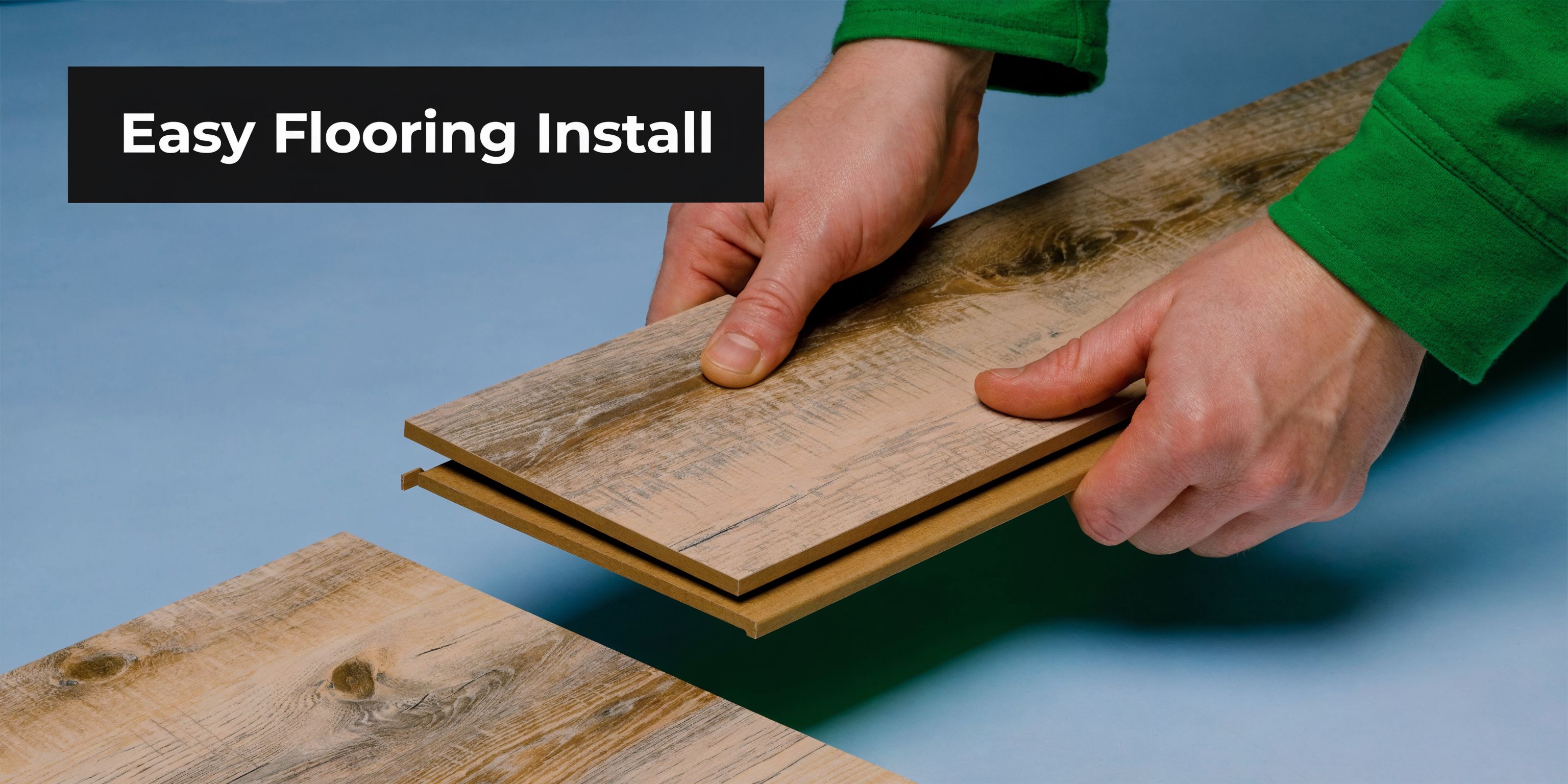
What happens before the first plank goes down
The prep work decides whether the floor performs well long term.
In Cumming homes, installers may be dealing with:
- concrete slabs in basements
- plywood subfloors on upper levels
- older surfaces that are slightly uneven
- transitions between rooms added at different times
- moisture concerns near exterior doors or lower levels
A click-lock floor still needs a properly prepared surface. If the subfloor is off, the finished floor can feel hollow, shift, or show movement in ways homeowners notice later.
SPC and WPC install a little differently in practice
WPC is often seen as easier to cut because of the softer core. SPC, on the other hand, tends to lay flatter and lock in firmly because it is rigid.
According to Fissel Floor Covering’s overview of WPC and SPC installation trade-offs, SPC’s rigidity and click-lock systems can lead to up to 30% faster installation for professional crews. The same source also notes that professional installation helps avoid common mistakes and protects warranty coverage.
That matters for homeowners, builders, and contractors in Alpharetta, Woodstock, and Forsyth County who need the job done on schedule and done correctly.
Why professional installation matters
DIY looks simple online. The trouble usually shows up at the edges.
Cuts around door jambs, transitions into baths, height changes between rooms, and subfloor corrections are where experience shows. A floor may click together just fine and still be set up for problems later if the prep, spacing, or finish details are wrong.
If you are comparing options for a full-home project, this page on professional floor installation is worth reviewing.
Installer’s tip: The plank is only part of the system. Proper prep, layout, and finish work are what make a waterproof floor look expensive instead of temporary.
Our Room-by-Room Flooring Recommendations
Most Cumming homeowners make the best decision when they stop asking, “Which is better?” and start asking, “Which is better in this room?”
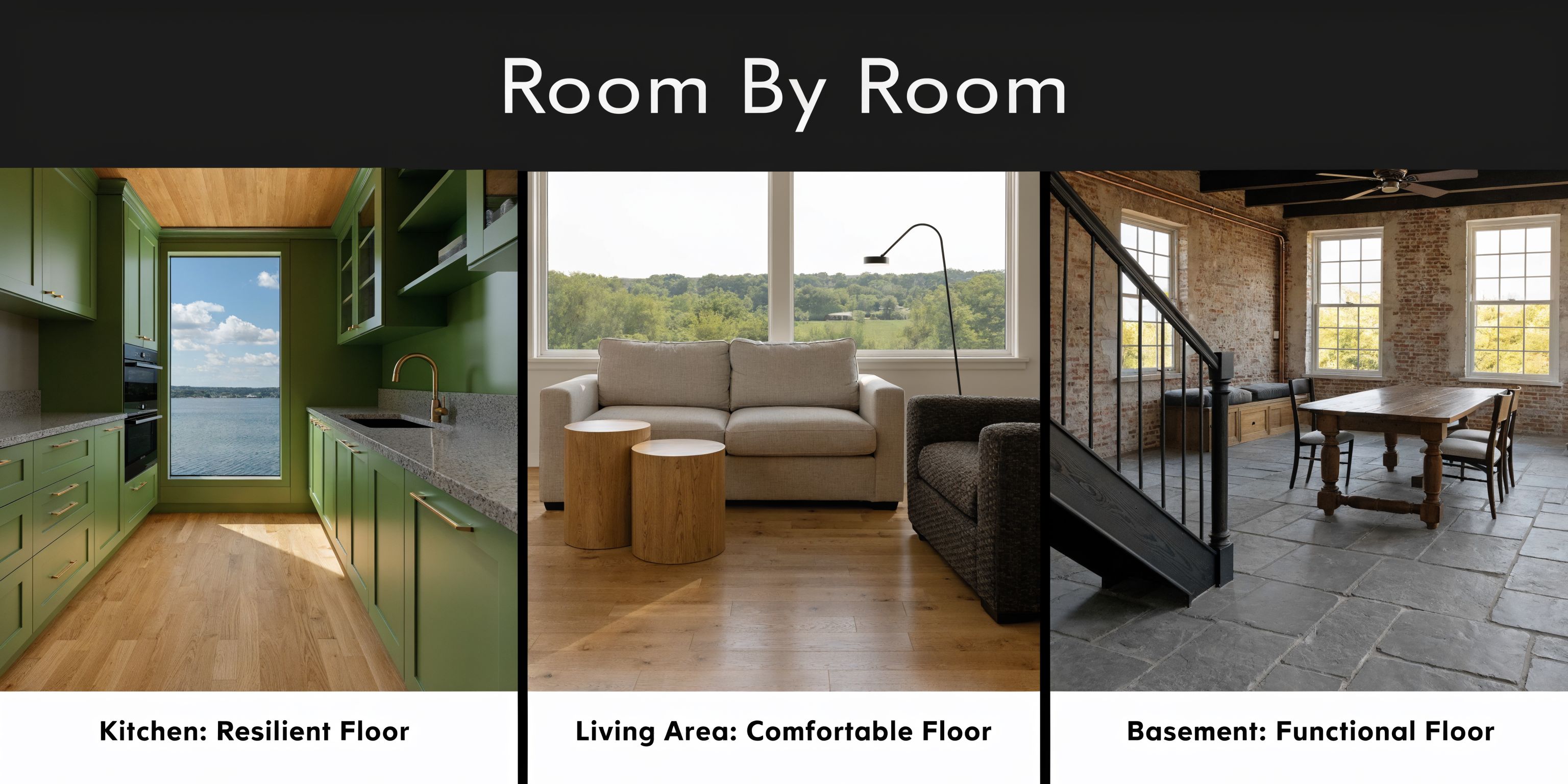
Kitchens and mudrooms in Cumming
Go with SPC most of the time.
These rooms deal with dropped pans, chair movement, pet nails, red clay from the yard, wet winter shoes, and constant traffic. In a North Georgia kitchen, toughness usually beats softness.
That is especially true for busy homes in Forsyth County subdivisions where the back door, garage entry, and kitchen all connect into one hard-working zone.
Basements across Forsyth County
SPC is usually the safer choice here too.
Finished basements often sit over concrete and deal with more moisture exposure than the main level. Homeowners in Cumming and Dawsonville usually want a floor that stays stable, handles traffic well, and does not feel delicate.
If the basement is a media room where comfort matters a lot, WPC can still be worth considering. But for all-around peace of mind, SPC usually gets the nod.
Bedrooms and family rooms in Milton and Johns Creek
WPC shines in this area.
Upstairs bedrooms, playrooms, and family spaces benefit from the softer step and quieter sound profile. If the room is more about comfort than abuse resistance, WPC often feels better every day.
That is especially true in homes with open staircases or second floors where footfall noise carries.
Lake Lanier homes and entry areas
Split the choice by zone.
Use SPC in entryways, hallways, mudrooms, and any path that gets lake traffic, damp shoes, towels, or heavy use. Use WPC in bedrooms, sitting rooms, or quieter living spaces where you want a warmer, cushioned feel.
Lake homes in Cumming often need both. The smartest plan is usually not one product everywhere.
Open-concept main levels in North Atlanta
This one depends on your household.
If the space includes kids, dogs, kitchen traffic, and furniture that gets moved around, SPC is usually the stronger whole-floor solution. If the home is quieter and comfort matters more than maximum dent resistance, WPC can be a better fit.
A simple decision guide:
| Room or area | Better fit |
|---|---|
| Kitchen | SPC |
| Mudroom | SPC |
| Basement | SPC |
| Bedroom | WPC |
| Family room | WPC |
| Busy entry | SPC |
| Lake home living quarters | WPC |
| Lake home traffic zones | SPC |
Why Choose Flacks Flooring for Your Cumming Project
Big-box stores can show you a display. They usually cannot tell you how a floor is likely to behave in a Forsyth County basement, a Lake Lanier entryway, or an open-concept family home in Cumming after a few Georgia summers.
That kind of advice comes from local experience.
Flacks Flooring has served Cumming, GA, Forsyth County, and North Atlanta for more than 30 years. That matters because flooring is not just a product choice. It is a house-specific decision tied to humidity, traffic, subfloors, lifestyle, and installation quality.
A family-owned flooring store also gives you a different experience. You can ask direct questions. You can compare samples side by side. You can talk through whether your home in Suwanee, Milton, Johns Creek, Alpharetta, Buford, Canton, or Woodstock needs the tougher feel of SPC or the quieter comfort of WPC.
The biggest advantage is clarity.
You are not getting pushed toward whatever happens to be stacked highest in a warehouse. You are getting guidance from people who know local homes, local climate, and what works in North Georgia.
If you want to feel the difference underfoot, the showroom is the best place to start.
FAQs for Forsyth County Homeowners
| Question | Answer |
|---|---|
| Q: Is SPC or WPC better for homes in Cumming, GA? | A: It depends on the room and your lifestyle. In Cumming homes with kids, pets, mud, and heavy main-level traffic, SPC is usually the better fit. In bedrooms or quieter spaces where comfort matters most, WPC is often the better choice. |
| Q: Which floor handles Georgia humidity better? | A: Both SPC and WPC are waterproof, but homeowners in Forsyth County often prefer SPC where humidity and seasonal changes are a bigger concern, especially in basements, entry areas, and hard-use spaces. |
| Q: Is WPC too soft for busy family homes? | A: Not at all. WPC still works well in many homes across Johns Creek and Milton. It is better suited to rooms where comfort and quiet matter more than maximum dent resistance. |
| Q: What is better for a finished basement in Forsyth County? | A: SPC is usually the stronger basement choice because it feels more stable in lower-level spaces and handles traffic well. If the basement is more of a comfort space than a traffic space, WPC can still be a good option. |
| Q: Which is better for pets and red clay dirt? | A: SPC is usually the practical pick for homes dealing with pet traffic, tracked-in clay, and busy entry points. Its harder feel tends to suit the rougher parts of daily life in North Georgia. |
| Q: Does WPC feel warmer and quieter upstairs? | A: Yes. For many homeowners in Suwanee, Alpharetta, and Milton, WPC feels softer underfoot and helps reduce sound in upstairs rooms, bedrooms, and bonus spaces where a quieter floor is worth the trade-off. |
| Q: Can I mix SPC and WPC in the same house? | A: Yes, and many homeowners should. A mixed approach often works best in North Atlanta homes. Use SPC in kitchens, mudrooms, and basements, then use WPC in bedrooms and comfort-first living spaces. |
If you want honest guidance from a local team that understands Cumming, Forsyth County, Lake Lanier homes, Georgia humidity, and real family traffic, talk with Flacks Flooring. Visit our Cumming showroom, schedule a free flooring consultation, call today, or get a flooring estimate for your home in Cumming, Johns Creek, Milton, Alpharetta, Suwanee, Buford, Dawsonville, Canton, or Woodstock.
Internal link suggestions
- /waterproof-flooring-cumming-ga/
- /luxury-vinyl-plank-cumming-ga/
- /hardwood-flooring-cumming-ga/
- /professional-floor-installation/
- /the-true-cost-to-install-vinyl-flooring/
- /what-is-vinyl-plank-flooring/
Schema recommendations
- LocalBusiness
- Service
- FAQPage