
A lot of homeowners in Cumming call right after a new floor goes in for the same reason. The installation looks fantastic. The room feels bigger, cleaner, more current. Then the worry shows up a day later: how do you keep luxury vinyl plank looking like that once real life starts again?
That's a fair question, especially in North Metro Atlanta. We track in pollen, red clay, damp grass, driveway grit, pet hair, and whatever else ends up on shoes after a quick trip outside. The good news is that good vinyl floor maintenance isn't complicated. It's mostly about doing a few simple things consistently and avoiding the cleaning habits that wear the floor down.
Beyond the New Floor Shine
New vinyl has a way of making the whole house feel finished. Whether it's wood-look flooring in a Johns Creek kitchen or waterproof LVP in a finished basement in Cumming, the first week always feels easy because everything is still spotless. The mistake people make is thinking they need a complicated cleaning system to keep it that way.
They don't. They need a routine they'll stick to.
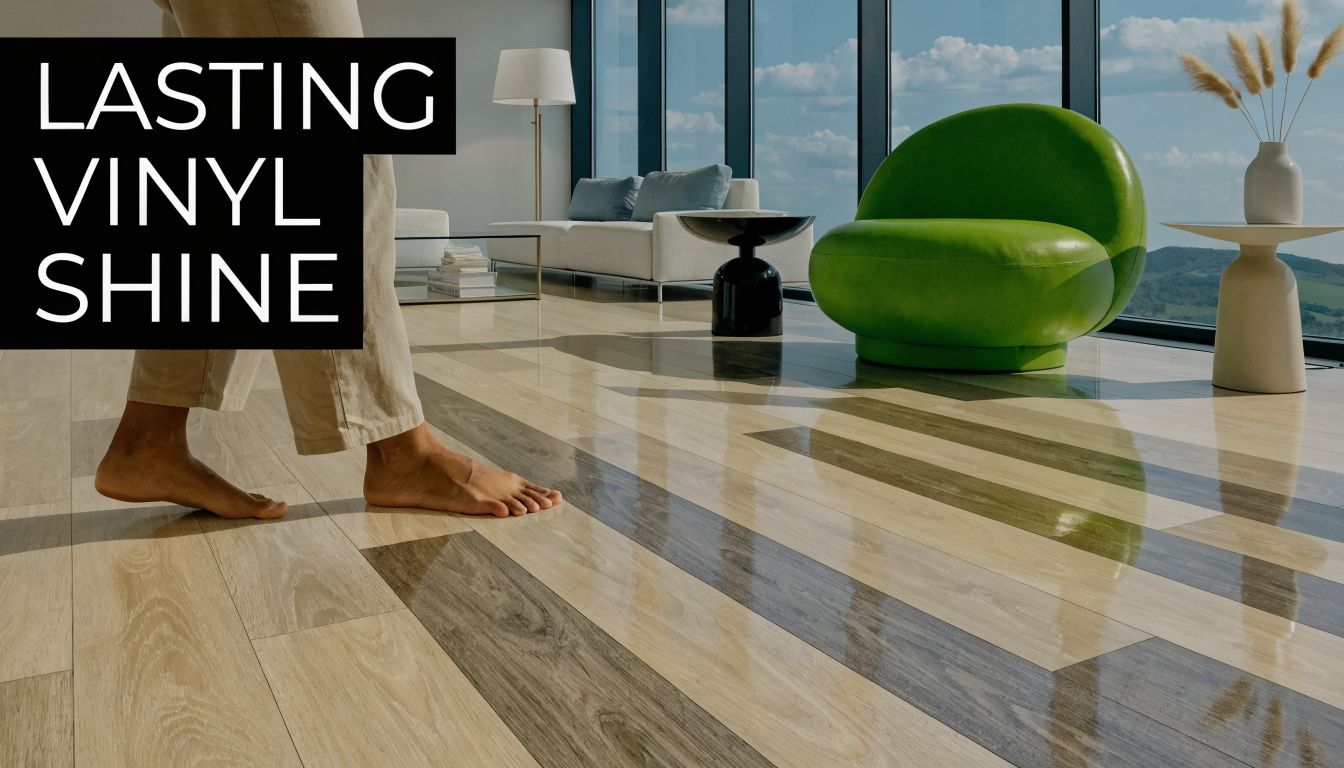
What long life really depends on
A useful benchmark is that vinyl flooring typically lasts 10 to 25 years, and one manufacturer notes that a 20-year lifespan is common with professional installation and regular care according to this vinyl flooring lifespan guide. That tells you something important. The floor itself matters, but your habits matter just as much.
If you're still learning the material itself, this overview of what luxury vinyl plank flooring is gives a helpful foundation before you start choosing cleaners and tools.
Practical rule: The floors that age well usually aren't cleaned harder. They're cleaned sooner, gentler, and more consistently.
The goal isn't perfection
Vinyl floor maintenance works best when you stop chasing a showroom finish every day. In a real house, especially with kids, dogs, or frequent traffic through the kitchen, the job is preservation. You're trying to prevent grit from grinding into the wear layer, stop moisture from sitting in seams, and keep furniture from leaving scratches that no cleaner can fix.
That's why low-drama maintenance beats occasional deep scrubbing. A few minutes with the right broom, vacuum, or microfiber pad does more for appearance and longevity than harsh products used once a month.
For homeowners comparing flooring options in Roswell, Alpharetta, Woodstock, or Canton, that's one reason LVP stays popular. It looks sharp, it handles busy households well, and it doesn't ask for much. But it does ask for the right kind of care.
Your Simple Routine for Lasting Vinyl Floors
The best vinyl floor maintenance plan is boring. That's a compliment. If your routine is simple, you'll keep doing it, and that's what protects the floor.
Manufacturers are pretty consistent on the core sequence. Sweep or vacuum first, keep the beater bar off, then damp mop with a neutral-pH cleaner because loose grit acts like abrasive material under foot traffic, as explained in Armstrong's vinyl floor cleaning guidance.
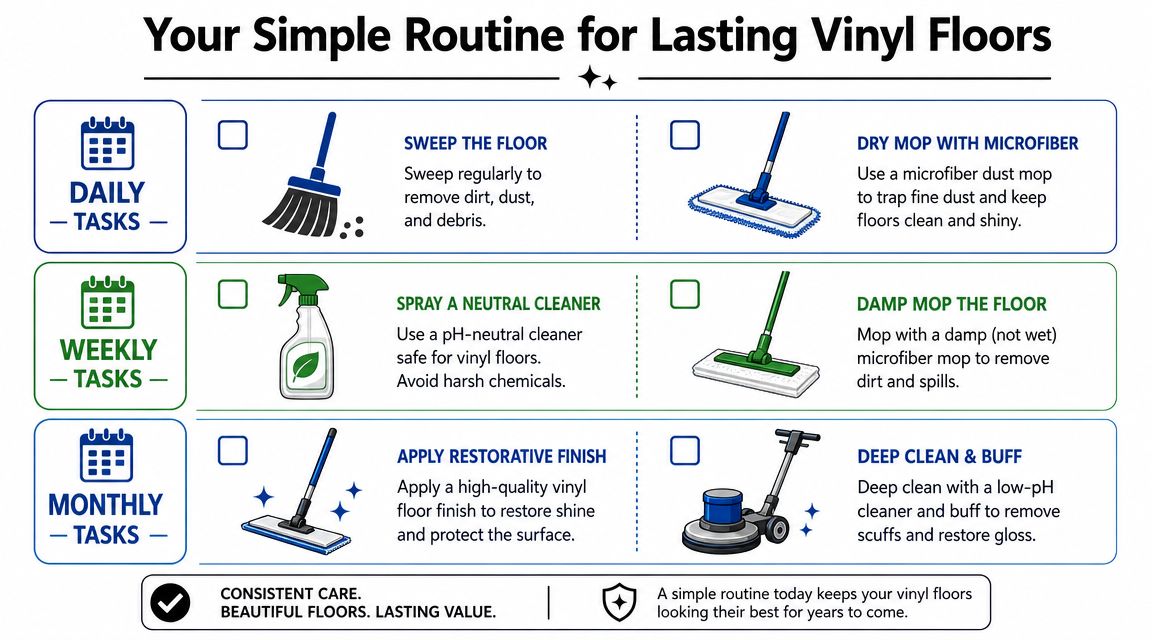
The routine that works in real homes
The first tool I'd reach for in a North Georgia house isn't a mop. It's a dry microfiber dust mop or a vacuum set for hard floors. Around doorways, mudrooms, kitchen entries, and the path from the garage, dry debris does the damage long before a visible stain ever shows up.
Use this schedule as your baseline:
| Frequency | Task | Why it Matters |
|---|---|---|
| Every few days | Sweep, dust mop, or vacuum with the beater bar off | Removes grit before foot traffic presses it into the wear layer |
| About once a week | Damp mop with a vinyl-safe neutral cleaner | Lifts residue without soaking seams or leaving a heavy film |
| As needed | Blot spills right away | Prevents staining, slick spots, and moisture from sitting too long |
| Regularly | Check furniture pads and entry areas | Stops avoidable scratches in the places that wear fastest |
What to do weekly
A damp mop is enough for most homes. Not wet. Not sloshing. Damp.
That distinction matters more than people think. Too much water can work into joints and edges, especially around kitchens, bathrooms, and exterior doors. If you've ever seen a floor that looked dull or dirty no matter how often it got cleaned, there's a good chance residue or excess moisture was part of the problem.
A practical setup looks like this:
- Dry clean first: Use a soft broom, microfiber dust mop, or hard-floor vacuum.
- Use the right mop head: Microfiber holds dirt well and doesn't push debris around.
- Choose a neutral cleaner: Skip anything harsh, strongly acidic, oily, or waxy.
- Work small sections: Mop a section, then move on so cleaner doesn't sit.
- Finish dry if needed: If a spot looks wet, wipe it with a dry microfiber cloth.
If you're unsure what kind of mop or cleaner makes sense for your floor, this guide on what to use to mop vinyl floors is a solid reference.
Don't judge your routine by how dramatic it feels. Judge it by whether the floor stays clean without buildup, haze, or standing moisture.
What homeowners usually overdo
The biggest mistake isn't neglect. It's using too much product. Sprays, shine enhancers, heavy soaps, and “deep clean” solutions often leave residue that grabs more dirt the next day. That's especially noticeable on darker LVP in sunlight.
The second mistake is cleaning the whole floor while ignoring the few zones that take the beating. In most homes, the trouble spots are predictable. Front doors, garage entries, under stools, around the sink, pet bowls, and the traffic lane through the living room.
If you're planning flooring for a renovation and want to determine flooring costs and area before installation, it helps to map those high-traffic zones now. Maintenance gets easier when the room layout, furniture placement, and traffic flow are part of the decision from the start.
Solving Common Spills Scuffs and Stains
Routine cleaning keeps the floor healthy. Fast cleanup keeps small incidents from becoming repair work.
That matters because vinyl floor repair averages about $500, with common pricing of $2 to $9 per square foot, according to Angi's vinyl floor repair cost breakdown. Small damage is always easier to deal with while it's still on the surface.
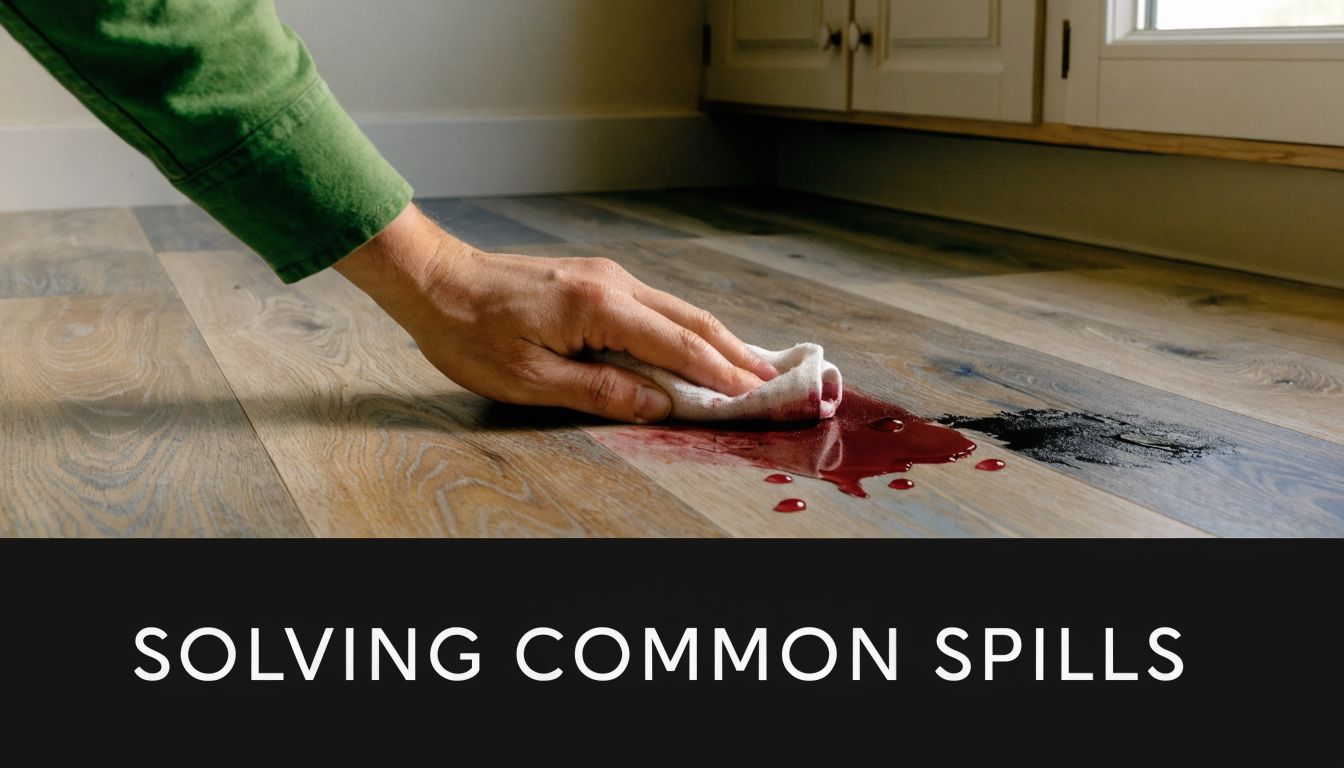
Start gentle and move up only if needed
The safest rule is simple. Use the least aggressive method that solves the problem. Don't jump straight to abrasive pads, harsh chemicals, or heavy scrubbing.
For a broader walkthrough, this guide on how to clean vinyl floor covers basic and deeper cleaning without overcomplicating it.
Four common problems and the right response
Drink spills in the kitchen or living room
Blot first with a clean white cloth or paper towel. Don't rub the spill around. Once the liquid is up, wipe the area with a damp microfiber cloth and a vinyl-safe cleaner if needed. Dry the spot so nothing sits in the seams.Black scuff marks from shoes or stools
Start with a dry microfiber cloth. If the mark stays put, use a slightly damp cloth and light pressure. Most scuffs sit on the surface. The mistake is attacking them with a scrub pad that scratches the finish more than the shoe ever did.Sticky residue near dining chairs or under kids' seats
Dust the area first so you're not grinding grit into the floor. Then use a damp microfiber cloth with a small amount of neutral cleaner. Let the moisture soften the residue for a moment, then wipe. Repeat instead of scrubbing hard.Mystery spots near pet bowls or entry doors
Treat them like a spill even if you're not sure what caused them. Blot, wipe gently, and dry the area. If the spot keeps returning, look above the floor. Water drips from bowls, damp shoes, and even leaky plant trays are common culprits.
A stain on vinyl is often less dangerous than the cleaner people use trying to remove it.
What not to reach for
There are a few things I'd keep away from LVP unless the manufacturer for that specific product says otherwise:
- Abrasive scrubbers: They can scratch the visible finish.
- Strong solvent cleaners: They may dull or discolor the surface.
- Flood mopping: It spreads the mess and adds moisture risk.
- Magic-fix habits: If a product sounds like it can strip, restore, shine, disinfect, and polish in one pass, it usually leaves a problem behind.
When cleanup becomes a repair issue
A surface spill is one thing. Damage is another. If you see lifted edges, separated seams, gouges, or soft spots underfoot, stop trying to clean your way out of it. At that point, you're looking at a flooring repair problem, not a housekeeping problem.
That's where prompt action saves money. A quick response to one bad plank or one damp area beats waiting until the surrounding floor starts showing the same wear.
Preventing Scratches and Long-Term Damage
Cleaning gets most of the attention, but prevention is what keeps vinyl looking new. Once the wear layer is scratched or dulled, no mop can restore it.
The biggest source of floor-damaging dirt isn't inside your house to begin with. More than 85% of the dirt that damages a floor is tracked in from outside, which is why entrance mats and frequent vacuuming near doorways matter so much, as noted in this vinyl floor cleaning article from FlooringInc.
Start at the doors
In Cumming, Johns Creek, and Forsyth County, the front lines are the exterior doors, the garage entry, and the back door off the patio. That's where red clay dust, driveway grit, chopped grass, and pollen show up first.
A good mat setup does two jobs. The outside mat catches the rough stuff. The inside mat catches what made it past the first one. If a mat is loaded with dirt, it stops helping and starts acting like a holding area for more abrasive material, so shake it out or vacuum it often.
Protect the floor from your own furniture
Most long scratches come from normal household habits, not dramatic accidents. Dining chairs get slid back. Bar stools twist. A side table gets nudged a few inches. Over time, those little movements leave a visible trail.
Use a simple protection checklist:
- Add felt pads: Put them under chairs, sofas, tables, and lighter furniture that gets moved.
- Check them regularly: Pads wear out, collect grit, or peel off.
- Lift heavy pieces: Don't drag appliances, couches, or loaded bookcases.
- Use a barrier when moving: A sheet of plywood or another protective surface can help when larger items have to cross the room.
Local shop advice: If you can hear the furniture scrape, the floor can feel it too.
Pets, traffic, and realistic expectations
LVP is a smart choice for pet-friendly flooring and scratch-resistant flooring in busy homes, but “scratch-resistant” doesn't mean “scratch-proof.” Big dogs running from the back door, water splashing from bowls, and repeated traffic in one lane will still show up over time if the floor isn't protected.
That means maintenance for pet owners is less about special products and more about routine:
- Keep nails trimmed: Sharp nails leave more visible marks.
- Clean around bowls quickly: Repeated moisture under mats can become a problem.
- Vacuum pet hair and grit together: Hair alone isn't the issue. Hair mixed with outdoor debris is.
- Watch toy baskets and crates: Hard edges dragged across LVP can leave marks fast.
This is the mindset shift most homeowners need. Vinyl floor maintenance isn't just cleaning what lands on the floor. It's setting up the room so less damage happens in the first place.
Flooring Care Tips for North Metro Atlanta Homes
Generic floor care advice usually assumes a neat, climate-controlled house with clean sidewalks and no local mess coming through the door. That's not how homes in Cumming, Milton, Roswell, or Woodstock work most of the year.
What gets on a North Metro Atlanta floor is specific. Spring leaves a yellow-green pollen film. Wet weather brings in clay and grit. Summer means more in-and-out traffic, especially around patios, pools, and backyards. A maintenance routine that works in another region may need adjusting here.
Red clay changes the job
Red clay is rougher than it looks. Once it dries, it breaks into fine particles that spread across the floor and collect along edges, under benches, and at transitions. On a light floor you'll see the color. On a darker floor you may only notice the dulling after people have walked through it for a while.
The fix is simple but needs discipline:
- Vacuum entry lanes first: Don't wait until the whole room looks dirty.
- Use a dry microfiber pass before mopping: Wetting clay too early can smear it.
- Check grout lines and thresholds nearby: Debris tends to build where flooring changes.
Pollen season needs a different rhythm
Pollen doesn't always look like dirt, but it behaves like a fine dusty film. If you leave it on the floor, it mixes with normal household moisture and foot traffic and starts to cling in corners and traffic paths. During heavy pollen stretches, many homeowners do better with more frequent dry cleaning and less aggressive mopping.
If you have pets, that matters even more because paws and fur carry that residue through the house. For families trying to choose safer products, this roundup of non-toxic floor cleaners for pets can help you compare gentler options before you buy.
Why waterproof flooring is such a practical fit here
One reason waterproof flooring stays popular in Forsyth County basements, kitchens, laundry rooms, and main-level family spaces is simple. It lowers the stress level. Our local mix of humidity, rain, muddy shoes, and pet traffic makes low-maintenance surfaces easier to live with than materials that demand more babysitting.
That doesn't mean waterproof flooring can be neglected. It means it's a better match for how many North Metro households function. The homeowners who stay happiest with LVP are usually the ones who pair the right product with a realistic care routine, not the ones chasing a perfect floor in a busy home.
Vinyl Floor Maintenance Questions Answered
A lot of bad vinyl floor maintenance starts with one bad assumption. If a tool works on another hard surface, people assume it's fine on LVP too. That's where trouble starts.
Can you use a steam mop on LVP
I wouldn't. Heat and moisture are a bad combination for vinyl floors, especially around seams and edges. Even when the surface seems to handle it, repeated steam use can create problems you won't notice right away.
If you want a cleaner floor, use better dry removal and a proper damp mop. That approach is safer and usually gives a more even result.
Are robot vacuums okay
Usually, yes, if they're gentle on hard floors and don't use an aggressive beater setup. The key is maintenance. A robot vacuum with dirty wheels or trapped grit can drag debris around instead of removing it.
Check the underside often. If your home collects red clay or driveway grit, that quick check matters more than the brand name on the machine.
Can the wrong cleaner affect a warranty
It can. Manufacturers typically want owners to follow their care guidance, especially on cleaner type and moisture use. If someone uses harsh chemicals, leaves residue, or applies products not intended for vinyl, that can create a problem later if there's a claim.
Keep the care instructions that came with the floor. If you can't find them, ask your installer or retailer before experimenting.
When clients have warranty questions, the safest move is usually the simplest one. Dry debris first, damp mop lightly, and don't use specialty products unless you know they're compatible.
How often should you inspect the floor itself
More often. Not with a clipboard. Just a quick visual pass while you clean.
Look at transitions, seams, the area in front of the sink, around pet bowls, and under chairs that move a lot. If you tie that habit into your seasonal home upkeep, it's easy to remember. This resource to compare seasonal home repair checklists can help you fold floor inspection into the rest of your routine.
Is there one product worth keeping on hand
A neutral cleaner, a microfiber mop, spare felt pads, and a dry cloth will solve most normal household floor issues. If you want one local reference for day-to-day care methods, Flacks Flooring has a vinyl floor care guide that outlines practical cleaning steps without making the process complicated.
If your floors need attention, or you're deciding between LVP, hardwood, laminate, carpet, or full floor replacement in Cumming, Johns Creek, Alpharetta, Roswell, Woodstock, Acworth, Canton, Marietta, or across North Metro Atlanta, Flacks Flooring is a solid place to start. The team offers in-home consultations, helps homeowners compare style and durability trade-offs, and can guide you toward flooring that fits real life in Georgia, including pets, traffic, moisture, and budget.