
If you’ve been house-hunting or scrolling through design inspiration lately, you’ve almost certainly come across Luxury Vinyl Plank, or LVP, flooring. It's a high-performance, engineered flooring designed to masterfully mimic the look of natural materials like hardwood, but with a few superpowers up its sleeve.
Essentially, LVP delivers the stunning, timeless beauty of wood but with significantly greater durability and water resistance, making it an incredibly practical choice for just about any room in the house.
A Modern Alternative to Traditional Flooring
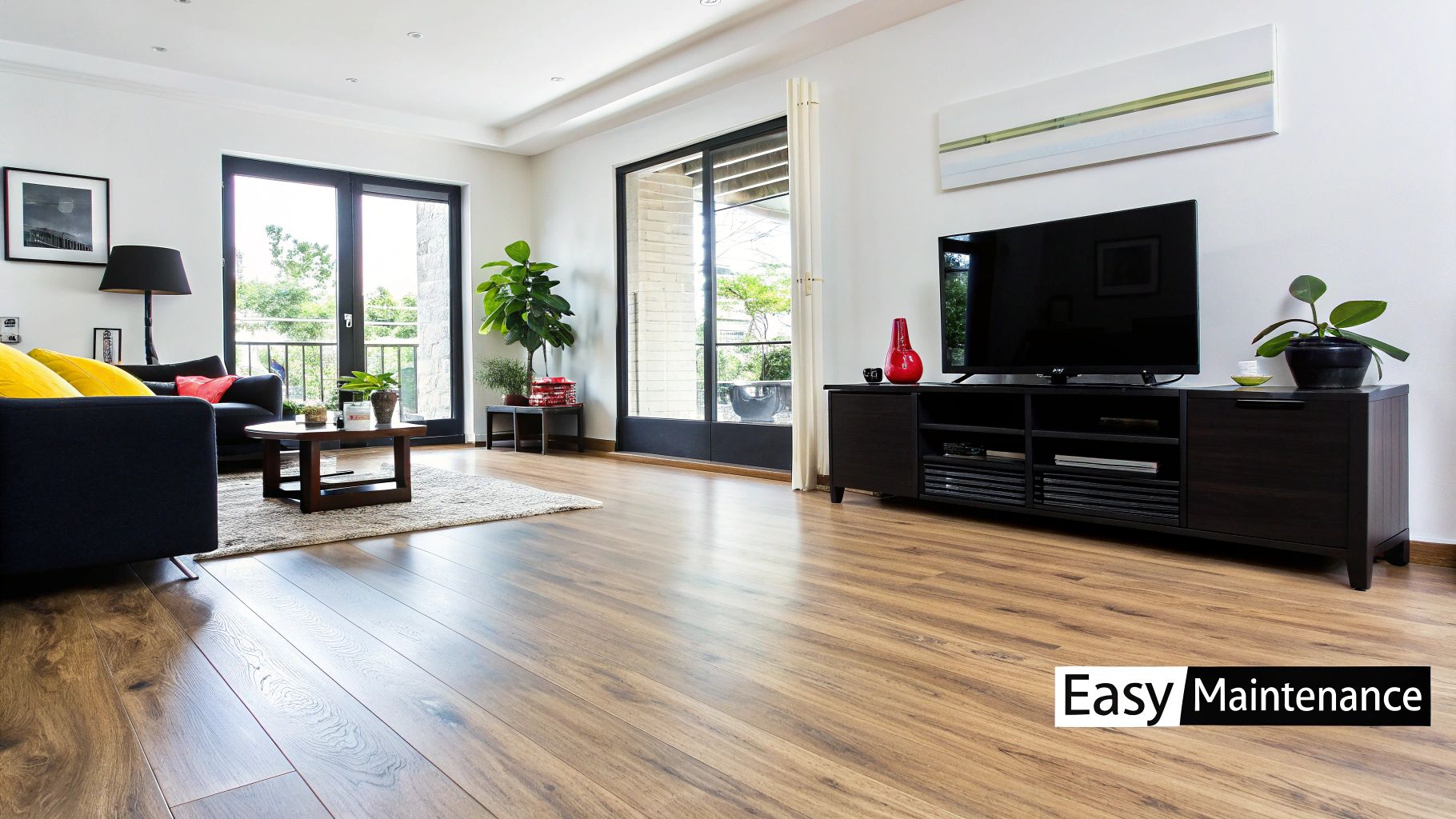
So, what is luxury vinyl plank flooring, and why is everyone talking about it? The best way to think of it is as the highly capable stunt double for traditional wood floors. It captures all the authentic grain, texture, and visual warmth you love but gets rid of common worries like scratches from pet claws, water damage from spills, or the constant upkeep real hardwood demands.
This isn't your grandma's old vinyl sheet flooring. LVP is built in multiple, specialized layers. Each layer has a job, from providing a stable core to protecting the surface from the chaos of daily life. It’s this smart engineering that gives LVP its signature resilience. And its popularity is backed by hard numbers: the global LVP market was valued at around $12.45 billion and is expected to nearly double by 2033. That kind of growth shows just how many homeowners and builders are making the switch.
For a quick overview, here's a look at what makes LVP stand out.
Luxury Vinyl Plank at a Glance
| Feature | Description |
|---|---|
| Material | Engineered vinyl with a multi-layer construction. |
| Primary Benefit | Mimics the look of natural wood with superior durability and water resistance. |
| Durability | Highly resistant to scratches, dents, and stains. |
| Water Resistance | Most LVP products are 100% waterproof, making them suitable for any room. |
| Best For | Kitchens, bathrooms, basements, and high-traffic areas. |
| Maintenance | Low-maintenance; requires simple sweeping and occasional mopping. |
| Installation | Often features a click-lock system for easy DIY installation. |
As you can see, LVP offers a balanced solution for modern homes.
The Best of Both Worlds
LVP beautifully bridges the gap between how you want your home to look and how you actually live in it. It lets you achieve a high-end, sophisticated aesthetic without the premium price tag and demanding maintenance schedule. This makes it a perfect fit for contemporary home design, where both style and practicality are essential. In fact, many of the key elements of a luxury home rely on materials that are both beautiful and built to last.
Here’s a quick rundown of why so many people are choosing LVP for their homes:
- Stunning Realism: Today's printing technology is so advanced that it creates incredibly convincing wood grains, colors, and textures. You can often feel the grain.
- Superior Durability: This stuff is built to handle real life. We’re talking kids, pets, dropped toys, and heavy foot traffic.
- Waterproof Performance: Unlike real wood, which swells and warps, LVP is perfect for moisture-prone areas like kitchens, bathrooms, laundry rooms, and basements.
- Comfort Underfoot: LVP often feels a bit softer and warmer under your feet compared to the cold, hard surfaces of tile or even traditional hardwood.
What’s Really Inside a Plank of LVP?
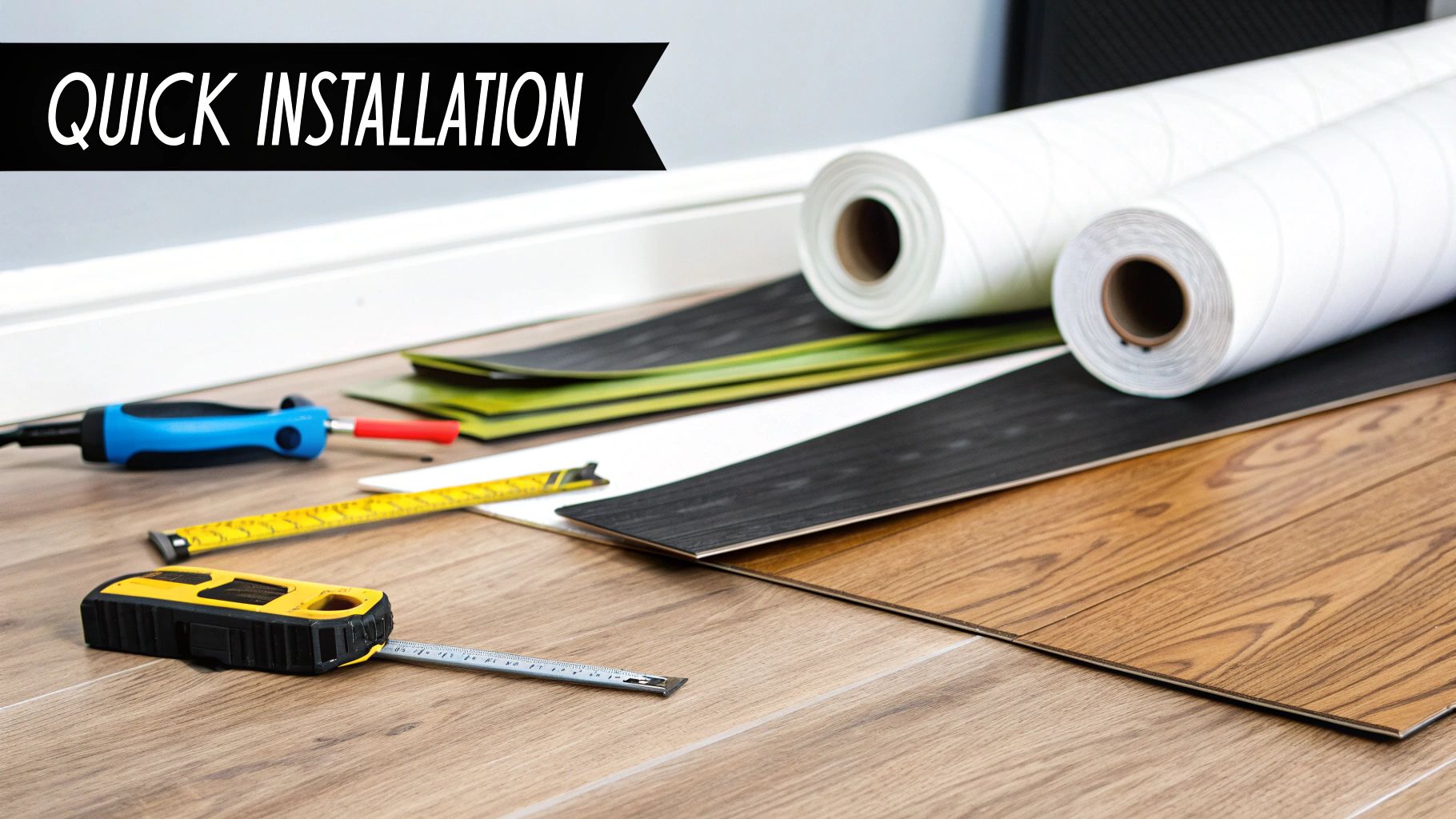
To really get why luxury vinyl plank is such a game-changer, you have to look at what it's made of. It’s not just one solid piece of vinyl. Think of it more like an advanced composite, where several high-tech layers are fused together.
Each layer has a distinct job, and when they come together, they create a plank that's tough, beautiful, and surprisingly practical. Let's peel back those layers and see what makes this flooring tick.
The Protective Wear Layer
Right on top, you have the wear layer. This is the invisible shield protecting your floor from the daily grind—think scratches from pet claws, scuffs from dragged furniture, and everyday spills. It’s a transparent but incredibly tough coating.
The thickness of this layer is what really separates good LVP from great LVP. It's measured in mils, and for a home with kids, pets, or just a lot of foot traffic, you'll want to look for something in the 20 mil or higher range. This is the single most important factor for your floor's long-term durability.
The Realistic Design Layer
Just below that invisible shield is the design layer, which is where the magic happens. This is a highly detailed, high-resolution image that gives the plank its authentic wood look. We're talking about incredibly realistic textures, grain patterns, and color variations that mimic everything from rustic oak to clean, modern maple.
Modern printing technology has gotten so good that it’s often difficult to tell LVP from genuine hardwood without getting down on your hands and knees for a closer look.
The Stable Rigid Core
The heart of the plank is its rigid core. This is the dense, structural center that gives LVP its strength, stability, and, most importantly, its waterproof quality. This core is usually made from one of two materials:
- Stone Polymer Composite (SPC): A super-dense and durable core made from a mix of limestone and stabilizers.
- Wood Polymer Composite (WPC): A slightly softer and quieter core that blends recycled wood pulp and plastic composites.
This commercial demand is boosted by innovations such as rigid-core products that offer waterproofing, dimensional stability, and efficient click-lock installation meeting stringent building codes. Regional growth is uneven, with the Western U.S. expanding fastest, at an 8.20% CAGR, driven by various local factors. You can explore more about market trends on the US Vinyl Floor Covering Market report.
This robust core is what keeps the planks from warping, denting, or buckling over time, even if your subfloor isn't perfectly level.
The Supporting Backing Layer
Last but not least is the backing layer. This is the foundation of the plank. It provides extra stability and often includes an attached underlayment made of cork or foam.
This built-in padding is a huge bonus. It helps deaden sound, making the floor quieter underfoot, and adds a touch of cushioning for extra comfort. It also helps smooth over minor imperfections in the subfloor, which makes for a cleaner, more professional installation.
When you start digging into luxury vinyl plank flooring, you’ll quickly hear about the "core." This isn't just jargon; it's the heart of the plank. It dictates how the floor feels, how quiet it is, and how well it stands up to life's bumps and scrapes. The two main players in this space are Stone Polymer Composite (SPC) and Wood Polymer Composite (WPC).
Knowing the difference is crucial for picking the right floor for your home. It’s a bit like choosing tires for your car—you wouldn't put racing slicks on a four-wheel-drive truck. Each core type is engineered for a specific purpose.
SPC: The Heavyweight Champion
Stone Polymer Composite (SPC) is the tough guy of the LVP world. Its core is a dense mixture of natural limestone powder, polyvinyl chloride, and stabilizers. This blend creates a plank that is incredibly rigid and stable.
What does that mean for you? SPC is a beast when it comes to resisting dents and impacts. Think dropped pots in the kitchen or heavy furniture in the living room. It's the perfect solution for:
- High-Traffic Zones: Perfect for entryways, hallways, and any commercial space that sees a lot of foot traffic.
- Busy Family Life: It can handle the chaos of kids, large pets, and constant activity without breaking a sweat.
- Rooms with Heavy Items: Ideal for dining rooms, home gyms, or offices where heavy furniture will be sitting for years.
If your top priority is rock-solid durability that can fend off dents and heavy loads, SPC is your clear winner. It's built to last.
The infographic below puts the cost of LVP into perspective against other common flooring materials.

As you can see, luxury vinyl is often a more accessible route to getting that premium look without the traditional hardwood price tag.
WPC: The Comfort-Focused Contender
On the other side, you have Wood Polymer Composite (WPC). Don't let its softer side fool you; it's still a rigid core flooring. But its composition is different, blending recycled wood pulp with a foaming agent. This process creates a core that’s lighter and less dense than SPC, which translates to a noticeably warmer and more cushioned feel under your feet.
That extra bit of air in the core also makes WPC a fantastic sound insulator. It dampens the noise of footsteps, creating a quieter, more serene home environment. This comfort-first approach makes WPC a superb choice for spaces where you want a cozier feel, like bedrooms, family rooms, and playrooms.
Comparing SPC vs WPC Core LVP
So, how do you choose? It really boils down to where the flooring will be installed and what your daily life looks like. This table breaks down the key differences to help you make an informed decision.
| Feature | SPC (Stone Polymer Composite) | WPC (Wood Polymer Composite) |
|---|---|---|
| Composition | A dense core made of limestone powder, PVC, and stabilizers. | A lighter core made of wood pulp, PVC, and a foaming agent. |
| Durability | Extremely high. Superior resistance to dents, scratches, and impacts from heavy objects. | Very good. Durable and resilient, but slightly more susceptible to dents than SPC. |
| Feel Underfoot | Firm and solid. Can feel harder and colder, similar to ceramic tile. | Softer and warmer. Provides more cushioning and comfort for standing or walking. |
| Sound Insulation | Offers some sound deadening, but its density means it can be louder than WPC. | Excellent. The air-filled core absorbs sound, making for a much quieter floor. |
| Best For | High-traffic commercial spaces, kitchens, entryways, and homes with kids and large pets. | Bedrooms, living rooms, basements, and any area where comfort and quiet are a priority. |
| Cost | Generally comparable to WPC, but prices can vary based on brand and thickness. | Often in a similar price range to SPC, depending on the product line. |
Ultimately, both SPC and WPC are excellent, high-performance flooring options. Your choice depends on whether you prioritize the unmatched toughness of SPC or the quiet comfort of WPC.
For a deeper dive into what’s available, this guide on the best luxury vinyl flooring brands is a great resource for exploring top-rated SPC and WPC products.
What LVP Flooring Actually Does for Your Home
Alright, we've broken down the technical layers of LVP. But what does all that engineering really mean for your day-to-day life? Let's talk about the practical, real-world advantages that have made this flooring a go-to choice for so many homeowners. It's about solving common household headaches, from muddy paws to spilled juice.
One of the biggest wins? It's 100% waterproof. Think about that for a second. Traditional hardwood is beautiful, but it swells, stains, and warps at the mere mention of moisture. LVP, on the other hand, is completely unfazed by water. This is a game-changer. It means you can finally get that authentic wood look in your kitchen, bathroom, or even a flood-prone basement without holding your breath every time someone splashes. A spilled glass of wine or a pet's water bowl tipping over is just a simple wipe-up, not a flooring catastrophe.
Built to Withstand Real Life
Let's be honest, floors take a beating. This is where LVP really proves its worth. That tough, clear wear layer we talked about isn't just a spec on a box; it's a shield against the beautiful chaos of a busy home.
In practical terms, this means LVP is:
- Scratch-Resistant: It holds its own against pet claws, kids dragging toys around, and chairs being scooted back and forth. Your floors stay looking fresh, not battle-scarred.
- Dent-Proof: The rigid core, especially in the newer SPC (Stone Plastic Composite) planks, is incredibly dense. Dropping a heavy can or a tool won't leave a permanent dimple like it would in softer wood floors.
- Stain-Resistant: Because the surface is non-porous, spills just sit on top instead of soaking in. A quick cleanup is all it takes to prevent a permanent mark.
"The real magic of luxury vinyl is its resilience. It’s engineered to handle the high traffic and unpredictable messes of a lived-in home, so you get peace of mind without having to compromise on style."
This combination of features makes LVP a no-brainer for homes with kids, pets, or just a lot of foot traffic. It’s a floor that’s meant to be lived on, not tiptoed around. The market certainly agrees; Luxury Vinyl Tile (LVT), the category that includes LVP, now holds a massive 64.7% revenue share of the entire vinyl flooring market. That's largely because it thrives in moisture-prone areas where older materials just can't compete. You can learn more about these vinyl flooring market trends and insights to see just how popular it's become.
Incredible Looks, Almost Zero Effort
Perhaps the most impressive part is just how convincing LVP has become. Forget the shiny, plastic-looking vinyl of the past. Today's printing technology is so advanced that the planks have incredibly high-definition grain patterns and realistic, embossed textures that can genuinely fool you into thinking it's real wood. You can have the warm, rustic charm of reclaimed oak or the clean, modern feel of pale maple, all without the price tag or the high-maintenance headaches.
And that brings us to the final, beautiful benefit: it’s ridiculously easy to take care of.
- You will never have to wax, seal, or polish it. Ever.
- For daily upkeep, a quick sweep or vacuum is all it takes to handle dust and crumbs.
- When it needs a proper clean, a damp mop with a simple pH-neutral cleaner does the trick.
This low-maintenance reality saves you a ton of time, money, and hassle over the years. No special equipment, no harsh chemicals—just a beautiful floor that lets you get on with your life.
What to Expect When Installing LVP
So, what’s the secret behind luxury vinyl plank’s popularity? A big part of it is how surprisingly easy it is to install. Whether you're bringing in the pros or rolling up your own sleeves, knowing what's involved makes the whole process smoother. Most LVP today uses a floating floor system, which is a world away from the messy glue-down or complicated nail-down methods of the past.
Think of it like putting together a giant jigsaw puzzle right on your floor. Each plank has a specially designed edge—a click-lock mechanism—that lets it snap snugly into the next one. This creates one solid, unified surface that simply "floats" on top of the subfloor beneath it, without being permanently stuck down. It’s this clever engineering that has made LVP a go-to choice for DIYers.
The Main Steps of Installation
While the click-lock system is the star of the show, a great-looking floor is all about the prep work. If you skimp on the first few steps, you'll pay for it later.
Here's a quick rundown of what a typical LVP installation looks like:
-
Subfloor Prep: Your new floor is only as good as the foundation it sits on. The subfloor needs to be clean, totally dry, and, most importantly, flat. An installer will hunt down any major dips or high spots and level them out. A smooth surface is non-negotiable for getting those planks to lock tight and stay that way.
-
Acclimation: Don't skip this! You need to let the unopened boxes of LVP sit in the room where they'll be installed for at least 48 hours. This gives the material time to get used to your home's unique temperature and humidity, which prevents the planks from shrinking or swelling after they’re on the floor.
-
Laying the Planks: The fun begins. Installers usually start on the longest wall and work their way across the room, row by row. Thanks to the click-lock system, this part moves pretty quickly. When they get to the end of a row, they simply score and snap the last plank to size with a utility knife. Often, the leftover piece is perfect for starting the next row, which creates that classic, staggered wood-floor look.
A huge plus for renovators: you can often install LVP right over existing hard surfaces like old vinyl or tile, as long as they're flat. This can save you a ton of time, money, and dust by avoiding a messy demolition.
Understanding these steps takes the mystery out of the process. It shows you that while you definitely need to be precise, the core idea is straightforward, putting a beautiful new floor well within reach for many homeowners.
How to Care for Your LVP Flooring
One of the best things about luxury vinyl plank flooring is just how easy it is to live with. You can forget about the hassle of waxing, polishing, or buying special treatments. Keeping your LVP looking fantastic is surprisingly simple and just takes a little routine attention.
A basic cleaning schedule is really all you need. A quick sweep with a soft-bristle broom or a run-over with the vacuum (just make sure it's on the hard floor setting, without the beater bar!) will take care of everyday dust and dirt. When it's time for a deeper clean, a microfiber mop and a pH-neutral cleaner are your go-to tools. This gentle combo gets rid of grime without ever harming that all-important protective wear layer.
Simple Steps for Long-Lasting Floors
The secret to keeping your floors in top shape comes down to a few smart habits and using the right cleaning supplies. The big things to avoid are harsh chemicals, abrasive scrubbers, and flooding the floor with water, as these can dull the finish or even seep into the seams over time.
- Use Furniture Pads: Stick some felt pads on the bottom of all your furniture legs. This is a cheap and easy way to stop scratches and scuffs before they happen.
- Wipe Up Spills Promptly: Even though LVP is waterproof, it’s always a good idea to wipe up spills right away to prevent any potential for staining or creating a slip hazard.
- Place Doormats: A good mat at every exterior door is your first line of defense, trapping the dirt, grit, and moisture that would otherwise get tracked all over your beautiful floors.
Critical Tip: Whatever you do, never use a steam mop on your LVP. The intense heat and moisture can actually weaken the adhesives holding the layers together, which could lead to warping or peeling down the road.
Following these simple tips will go a long way in protecting your investment. If you want a deeper dive, you can learn more about how to keep vinyl floors looking new for years. The principles are quite similar to other durable surfaces in your home, and understanding how to care for laminated products for a long-lasting finish can give you a great overall sense of proper maintenance.
A Few Final Questions About LVP Flooring
When you're thinking about a big decision like new floors, questions are bound to pop up. It's totally normal. Getting straight answers is the best way to feel good about your choice, so let's tackle some of the most common things people ask about LVP.
We'll start with the one we hear all the time, especially when it comes to kitchens and bathrooms.
Is Luxury Vinyl Plank Flooring Completely Waterproof?
Yes, the plank itself is 100% waterproof. You can take a piece of LVP, leave it in a bucket of water, and it won't swell or warp. That’s because its core is made of vinyl and other polymers, not wood. This is exactly why it’s become the go-to flooring for any room that might see spills, splashes, or moisture.
But here's a small but important distinction: the planks are waterproof, but that doesn't make your entire floor a waterproof system like a swimming pool liner. In a serious flood, it's still possible for water to get through the seams between planks and reach the subfloor below. If you want to dive deeper into this topic, our guide on whether vinyl plank is truly waterproof explains it all.
How Does LVP Compare to Laminate Flooring?
This is another big one. They can look almost identical on the surface, but the real difference is what’s on the inside. LVP has that solid vinyl core we just talked about, which makes it immune to water damage.
Laminate, on the other hand, is typically built on a core of high-density fiberboard—basically, wood byproducts. If water gets to that core, it will swell up and the damage is permanent. While both are great, durable floors, LVP's built-in water resistance gives it a clear advantage in many situations. It also tends to be a bit quieter to walk on.
How Long Does Luxury Vinyl Plank Flooring Last?
A good quality LVP floor can easily last 15 to 25 years in a home, and sometimes even longer. The secret to its longevity is the wear layer. Think of it as the floor's invisible shield.
This transparent top layer is measured in mils (not to be confused with millimeters). For busy parts of your house—think hallways, kitchens, or any area that has to stand up to kids and pets—you'll want a thicker wear layer. We always recommend looking for 20 mil or more for the best long-term protection against scratches and daily wear and tear.
Ready to see how luxury vinyl plank flooring can transform your home? The team at Flacks Flooring has the expertise to guide you through our extensive collection. Explore our flooring options today!