
Standing in your living room in Cumming, Alpharetta, or Roswell, it's easy to see what the room could become once the old floor is gone. The cabinets may still work. The wall color can wait. But the floor sets the tone for everything else, and that's why wood floor ideas feel bigger than a simple décor choice.
Most homeowners who call about floor replacement aren't just asking what looks good. They're trying to solve real problems. They want the best flooring for pets, something that can handle high-traffic areas, and a floor that won't fight Georgia humidity. They also want to know whether hardwood flooring installation is worth it, when waterproof flooring makes more sense, and how to avoid picking a style that looks dated in a few years.
That's especially true across North Metro Atlanta, where one home might be a newer open-plan build in Johns Creek and another might be an older layout in Milton or Forsyth County with tighter rooms, uneven subfloors, or moisture concerns. Good flooring advice has to work for the house you have, not just the photos you saved.
Wood flooring also has staying power for a reason. Its history goes back to the Bronze Age, became common in Europe during the Middle Ages, and by the 16th century parquet had already turned wood floors into a design feature, not just a practical surface, according to this history of wood flooring.
1. Wide Plank Hardwood Flooring
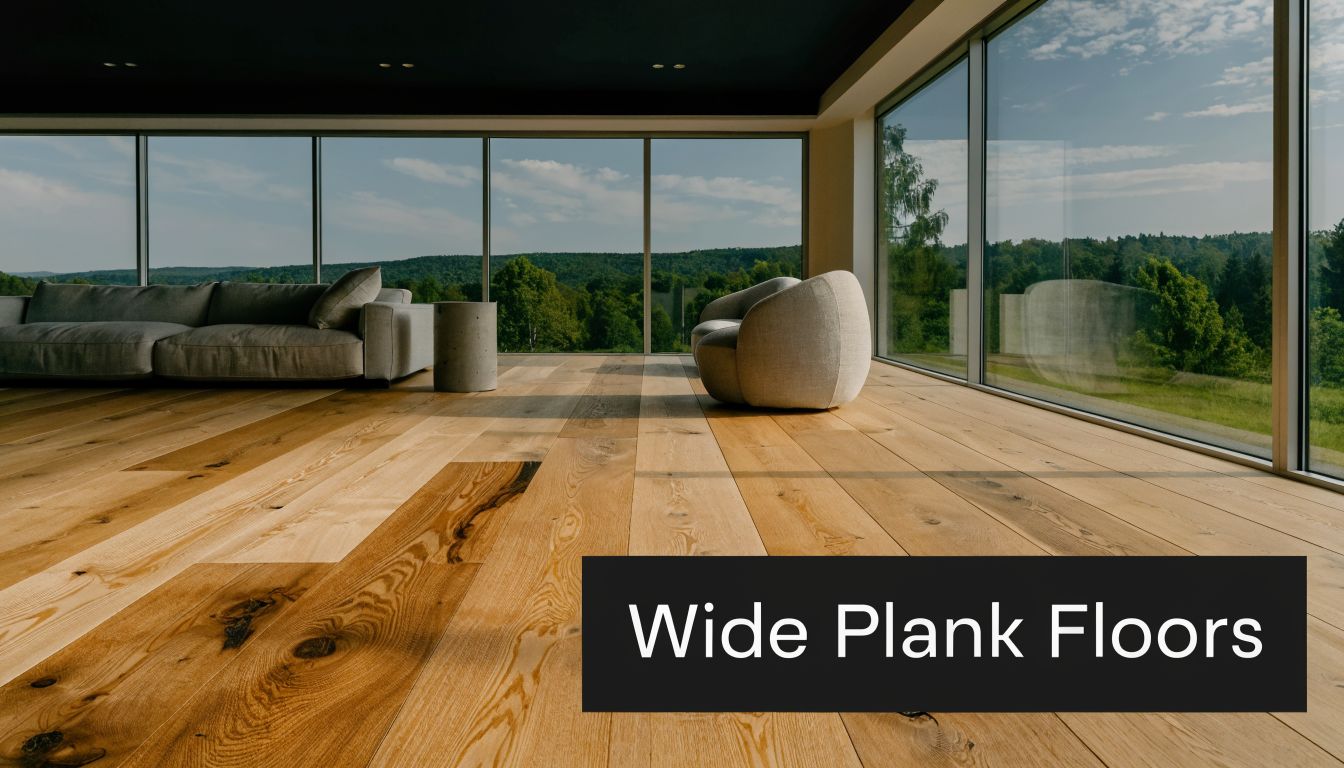
Wide plank floors work because they simplify a room. Fewer seams mean the eye moves across the space more easily, which is a big advantage in open-concept homes in Johns Creek, newer builds in Cumming, and renovated farmhouses around Forsyth County.
This is one of the best wood floor ideas for large family rooms, kitchen-to-living transitions, and homes with lots of natural light. The grain reads more clearly, so white oak, red oak, and hickory all show more personality than they do in narrow-strip layouts.
Where wide planks work best
If the room already feels busy, wide planks often calm it down. In a home with multiple sight lines, islands, staircases, and mixed furniture styles, that cleaner floor pattern helps the room feel intentional instead of crowded.
Tile Wizards notes that wide planks can help odd-shaped rooms feel less cluttered, which matches what many installers see in compact or awkward spaces as well. Their guidance on visual simplicity in unusual rooms appears in this flooring design article for odd-shaped rooms.
Practical rule: The more broken up the room layout is, the more helpful a simpler plank pattern usually becomes.
- Best fit for open layouts: Great for connecting kitchen, dining, and living areas without making the floor feel chopped up.
- Better with matte finishes: On wider boards, glossy finishes can reflect more light and show more surface activity.
- Needs careful acclimation: In North Georgia, wood movement is real. Stable installation matters as much as style.
One trade-off. Wide plank hardwood can make a small room look elegant, but if the room is very tight and packed with furniture, the scale can feel slightly oversized. In those spaces, a moderate-width plank often lands better.
2. Hand-Scraped and Distressed Hardwood
Some floors look better after a busy Saturday. Hand-scraped and distressed hardwood is one of them.
This style fits homes in Milton, farmhouse renovations in Forsyth County, and rustic kitchens where a perfectly smooth formal floor would feel too polished. It's also one of the smartest wood floor ideas for dog owners and families because the surface already has variation built into it. Small dents, light scratches, and everyday wear don't jump out the same way they do on a flat, clean contemporary finish.
Why this style is forgiving
A distressed floor isn't maintenance-free, but it is more forgiving. If you've got kids running in from the backyard, an older lab that clicks across the kitchen, or frequent guests coming through the front hall, this texture hides the story of daily life better than a pristine smooth board.
Medium and darker stain ranges usually support the look best. Hickory and oak also tend to work well because natural color variation makes the floor feel authentic instead of artificially weathered.
A floor that hides wear is often more livable than a floor that only looks perfect on installation day.
That doesn't mean distressed wood belongs everywhere. In a sleek modern home with slab cabinets, sharp black fixtures, and minimal trim, heavy hand-scraping can feel out of place. The floor needs to match the architecture. When it does, this style adds warmth fast.
If a homeowner likes the lived-in look but wants less upkeep anxiety, this is often a better direction than a dark glossy hardwood floor.
3. Light-Colored and Whitewashed Hardwood
Light wood floors keep showing up for good reason. They brighten interiors, soften heavy cabinetry, and make a room feel more open without trying too hard.
For North Atlanta homes with decent daylight, especially in Cumming and Johns Creek, light-colored and whitewashed hardwood can make older interiors feel fresher. This approach works especially well in Scandinavian-inspired spaces, updated traditional homes, and houses where the owner wants a clean look without going cold or stark.
How to keep light floors from feeling washed out
The floor can't carry the whole room by itself. If you pair pale flooring with cool white walls, gray furniture, and flat lighting, the room can lose warmth. Add natural wood accents, warmer textiles, and enough contrast in cabinetry or furniture so the floor doesn't disappear.
A few practical points matter more than the paint-chip version of this trend:
- Sample in real light: Morning and evening can change the entire read of a pale stain.
- Use lower-sheen finishes: Matte and satin tend to look more natural and show less glare.
- Plan for traffic paths: Entry areas and kitchen lanes benefit from rugs or runners that reduce visible wear patterns.
Lighter floors can show certain kinds of dirt differently than medium tones. You may notice footprints or debris sooner in some homes, especially with pets or a lot of yard traffic. That doesn't make them a bad choice. It just means they work best for homeowners who prefer a clean, airy look enough to keep up with routine care.
Among wood floor ideas, this one has long-term appeal because it doesn't rely on heavy color to make an impression. It lets the room architecture do more of the work.
4. Mixed-Width Plank Flooring
Mixed-width plank flooring has a custom feel that standard layouts can't fake. When it's done well, it looks collected, not mass-produced.
This is a strong fit for higher-end renovations in Milton, estate homes in Johns Creek, and farmhouse-inspired spaces in Forsyth County where the owner wants character but not a fully rustic floor. Different board widths create rhythm across the room, and that subtle variation can make a new installation feel more established.
What separates polished from messy
Mixed-width floors need planning. Without a clear layout strategy, they can look random in the wrong way. The best results usually come from keeping the species and stain consistent while letting plank width create the visual interest.
Installers need to think ahead about seam placement, room centering, and transitions into nearby spaces. That's especially important in long sight-line areas such as front entries opening into dining rooms or kitchen halls flowing into family spaces.
- Keep the palette tight: One species and one finish usually work better than multiple strong variables.
- Document the pattern: Future repairs are easier if the width sequence is known.
- Use it where the room deserves detail: Great in main living areas, less necessary in small secondary bedrooms.
There's also a style trade-off. If the home already has bold countertops, statement tile, heavy beams, or a lot of patterned textiles, mixed-width flooring can add one layer too many. In a simpler interior, it often looks rich and intentional.
This is one of those wood floor ideas that often looks best when no one immediately notices why it feels special. They just know the floor has more depth.
5. Waterproof Hardwood Alternatives and LVP for Humid Georgia
Some rooms don't need traditional hardwood. They need common sense.
In North Georgia, that often means bathrooms, laundry rooms, basements, mudroom entries, and some kitchens. If moisture is part of the daily reality, wood-look waterproof flooring deserves a serious look. Lowe's notes that vinyl, laminate, engineered wood, bamboo, and tile can mimic hardwood, and that vinyl and laminate are DIY-friendly, in their overview of wood-look flooring options.
Where LVP and engineered flooring earn their keep
Luxury vinyl plank flooring is often the first recommendation when a homeowner asks for waterproof flooring for basements or scratch-resistant flooring for dogs. It handles lifestyle abuse well, and it gives a wood look without asking the room to behave like a formal space.
Engineered wood also belongs in this conversation. One of the biggest historical milestones in flooring was the development of engineered wood, including a three-layer parquet patent in 1941 that improved stability and expanded where wood-style floors could be used, as explained in this industry history of hardwood flooring.
Waterproof means the flooring product can handle exposure better. It does not mean the subfloor underneath is invincible.
For buyers comparing hardwood flooring installation to LVP flooring in Woodstock, Canton, or Marietta, the actual question isn't which one is better in theory. It's which one fits the room.
- Choose LVP for wet-risk spaces: Basements, laundry rooms, and homes with frequent pet accidents are common examples.
- Choose engineered wood when you still want real wood: It gives a more traditional feel underfoot and a more natural grain pattern.
- Prepare the subfloor carefully: Moisture issues and uneven slabs still have to be addressed before installation.
This category isn't about settling. It's about matching performance to the room.
6. Two-Tone and Multi-Tone Wood Floor Designs
Two-tone flooring can look custom and high-end, or it can look overdesigned. The difference is restraint.
This approach shows up most often in designer-led renovations, larger homes in Johns Creek, and properties in Milton where the owner wants something that feels one step beyond standard plank flooring. Sometimes that means a subtle border. Sometimes it means combining related tones within the field of the floor. Sometimes it's just a finish with enough natural variation to create movement.
When contrast helps, and when it hurts
Contrast can define zones in open layouts, especially if you want the entry to feel distinct from the main living area. It can also add depth in homes with simpler wall colors and cabinetry.
But smaller rooms usually need moderation. If the contrast is too strong, the floor starts competing with the room instead of supporting it.
A few ground rules help:
- Match undertones: Warm and cool tones fighting each other will read as a mistake.
- Use contrast where architecture supports it: Borders, framed dining rooms, and formal entries can carry more detail.
- Plan repairs before installation: Custom layouts are harder to patch later if materials aren't documented.
This isn't usually the first recommendation for homeowners focused on affordable flooring options or quick resale prep. It's better suited to people who want a customized look and are willing to be more deliberate.
Done right, multi-tone flooring can make a large home feel less flat. Done poorly, it dates fast. That's why sample boards in the actual room matter so much.
7. Reclaimed and Authentic Vintage Hardwood
Reclaimed hardwood has something machine-made products can't duplicate. The wear is real. The patina is earned. The variation isn't printed or pressed into the surface.
For historic properties in Milton, character homes in Forsyth County, or clients building a more heritage-driven interior in Cumming, reclaimed flooring can be a great fit. It carries visual history, and that can anchor a renovation in a way newer flooring often can't.
What buyers should know before committing
This is not the easiest path. Reclaimed flooring usually requires more sorting, more prep, and installers who understand that older material can behave differently from new stock.
Mother Earth News highlights lower-cost softwood options such as pine, spruce, fir, and larch, which can be useful in budget-minded projects, but softer woods raise real durability questions depending on the home's traffic and lifestyle, as discussed in their article on inexpensive wood floor choices.
That's an important distinction. Some homeowners love the idea of an old-floor look but don't want the maintenance or softness that can come with certain materials. In that case, a distressed oak or hickory floor may be the smarter call.
Old wood brings character. It also brings unpredictability, and that has to be priced into the decision.
Use reclaimed wood where authenticity matters most. A study, dining room, entry, or primary suite can carry the look beautifully. Whole-house installation can be stunning too, but it asks for more patience and a clearer budget.
Among wood floor ideas, this is the one most likely to feel personal rather than trendy.
8. Matte and Natural Finish Hardwood
Gloss has fallen out of favor in a lot of North Atlanta homes, and for good reason. Matte and natural finishes show the wood itself instead of the coating sitting on top of it.
This style works in contemporary homes, transitional interiors, and updated traditional spaces where homeowners want hardwood flooring installation to feel current without chasing a trend. It's especially useful in bright rooms where sunlight can make shinier finishes look harsh.
The practical side of low-sheen finishes
A matte finish usually hides dust, smudges, and everyday surface chatter better than a high-gloss floor. That's part of why so many homeowners asking for pet-friendly flooring or family-friendly hardwood lean this way.
It also fits where the market has been heading. The U.S. wood flooring market was estimated at USD 6.33 billion in 2024 and projected to grow at a 3.8% CAGR, while prefinished products accounted for about 85% of sales and engineered wood reached roughly 75% of the total mix in 2024, according to Grand View Research's U.S. wood flooring market report.
That matters on the ground because factory-finished, lower-sheen products are often easier to coordinate with renovation schedules. They also reduce the disruption that comes with site finishing.
- Great for sunlit rooms: Less glare, less visual flash.
- Good for busy households: Everyday marks don't announce themselves as quickly.
- Still needs proper care: Matte doesn't mean maintenance-free.
Natural-looking finishes have more staying power than high-drama sheen. If a homeowner wants a floor that still feels current years from now, this is often a safe and smart direction.
9. Herringbone and Chevron Wood Floor Patterns
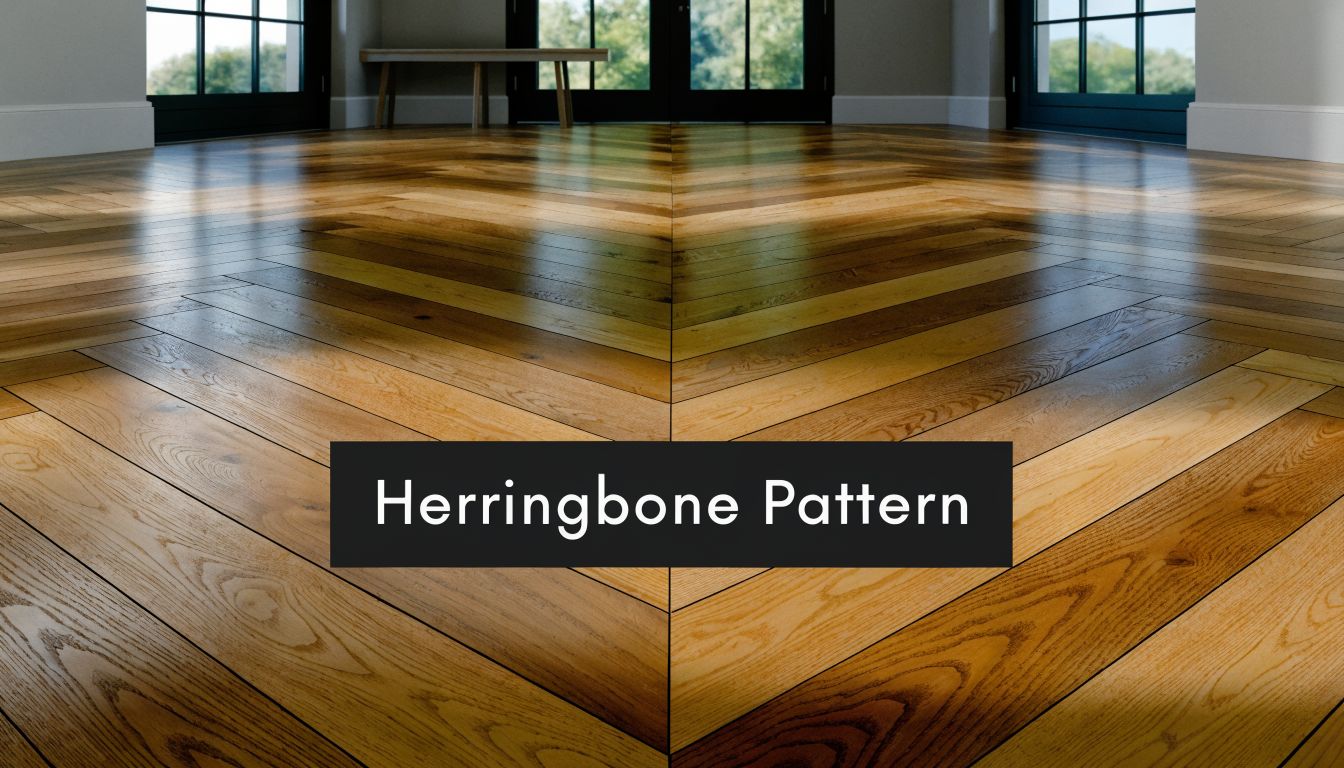
Patterned wood floors have been around for centuries, so herringbone and chevron don't feel new. They feel established. That's why they work in both traditional and modern homes when the room calls for something architectural.
In North Metro Atlanta, these patterns usually make the most sense in entries, dining rooms, formal sitting rooms, or a feature area rather than every square foot of the house. They create movement, and that movement is beautiful when there's enough visual breathing room around it.
Pattern needs precision
This isn't the place to cut corners on installation. Angled layouts make subfloor issues more obvious, and poor centering is hard to ignore once the room is furnished.
Residential replacement made up 66.4% of U.S. wood flooring sales in 2024, with new construction under 20% and commercial at about 11.6%, while white oak and domestic red oak remained leading species, according to FCNews reporting on 2024 hardwood market segments. That lines up with what many renovation clients want from pattern floors: classic species, durable surfaces, and strong resale appeal in upper-end homes.
- Use it where you want emphasis: Entry halls and dining rooms are common winners.
- Keep stain choices controlled: The pattern should be the star.
- Hire for experience, not just availability: Pattern installation rewards precision.
If the room is small and already visually busy, full herringbone can be too much. In those cases, a border, inset, or simpler straight-lay field often works better.
10. Sustainably Sourced and Eco-Friendly Hardwood
Some homeowners want their flooring choice to line up with how they think about the rest of the house. That might mean lower-impact materials, documented sourcing, or finishes with fewer indoor-air concerns.
Sustainably sourced hardwood can absolutely be part of that conversation, but it's worth being practical. Certification matters. Product construction matters. So does whether the floor actually fits the lifestyle of the home.
How to evaluate green claims without guessing
Ask for documentation instead of broad assurances. If a product is sold as responsibly sourced, the supplier should be able to show that clearly.
This also pairs well with a more thoughtful design approach in small or awkward rooms. As noted earlier, lighter tones can make rooms feel more open, wider planks can reduce visual fragmentation, and simpler transitions can make unusual spaces feel more intentional. Sustainability isn't just about the source of the wood. It can also be about choosing a floor you'll still want to keep years from now.
- Verify certification directly: Don't rely on verbal descriptions alone.
- Ask about finish chemistry: Low-odor and lower-VOC options may matter to your household.
- Balance ethics with performance: A responsible product still needs to be durable enough for the space.
Eco-conscious flooring isn't a single look. It can be classic oak, an engineered product with more efficient material use, or a simpler natural finish that avoids unnecessary visual excess. The smartest choice is the one that aligns values with real use.
Top 10 Wood Floor Ideas, Quick Comparison
| Style / Product | 🔄 Implementation Complexity | 💡 Resource Requirements | 📊 Expected Outcomes ⭐ | Ideal Use Cases | Key Advantages |
|---|---|---|---|---|---|
| Wide Plank Hardwood Flooring | Medium, requires stable subfloor & acclimation | Higher material cost; limited wide-board selection | Spacious, contemporary look; strong grain visibility ⭐⭐ | Large open-concept homes, modern renovations | Fewer seams, dramatic wood character |
| Hand‑Scraped & Distressed Hardwood | Medium, standard install; finish selection matters | Moderate cost; species with variation preferred | Warm, rustic character; excellent at hiding wear ⭐⭐ | Farmhouses, pet‑friendly homes, high‑traffic areas | Masks scratches/dirt; forgiving appearance |
| Light‑Colored & Whitewashed Hardwood | Low–Medium, finishing critical for look | Moderate cost; regular cleaning required | Bright, airy, modern aesthetic; shows dirt more ⭐⭐ | Sunlit homes, Scandinavian/coastal designs | Enlarges visual space; versatile with decor |
| Mixed‑Width Plank Flooring | High, complex layout; skilled installer needed | Moderate–High; careful sourcing and planning | Custom, rhythmic appearance; balanced sophistication ⭐⭐ | Custom renovations, owners seeking unique character | Visual interest without extreme wide planks |
| Waterproof Alternatives & LVP | Low, faster, simpler installation | Lower material & install cost (varies by quality) | Waterproof, durable, realistic wood look ⭐⭐⭐ | Basements, kitchens, bathrooms, humid climates | Fully waterproof, pet‑friendly, low maintenance |
| Two‑Tone & Multi‑Tone Wood Designs | High, expert design & precision install | High cost for multiple species/finishes | Dramatic, defining floors; upscale impact ⭐⭐⭐ | Designer homes, transitional spaces, feature areas | Defines zones, highly customizable |
| Reclaimed & Authentic Vintage Hardwood | Very High, specialized prep & installation | Very high cost; limited availability; sourcing time | Unique patina and authenticity; durable when treated ⭐⭐⭐ | Historic restorations, heritage or feature installations | Genuine history, sustainable sourcing, one‑of‑a‑kind |
| Matte & Natural Finish Hardwood | Low, standard install; finish choice important | Low–Moderate; prefer water‑based matte for durability | Understated, low glare; hides dust/fingerprints ⭐⭐ | Contemporary and Scandinavian interiors, glare‑sensitive rooms | Reduced glare, modern aesthetic, forgiving wear |
| Herringbone & Chevron Patterns | Very High, precise layout; more waste & labor | High labor and material waste; expert installers | Luxurious, architectural focal point; high curb appeal ⭐⭐⭐ | Entryways, formal rooms, luxury renovations | Strong visual impact; elevates property value |
| Sustainably Sourced & Eco‑Friendly Hardwood | Medium, verify certification & installer familiarity | 10–20% higher cost; requires documentation | Comparable beauty with lower VOCs; verifiable sustainability ⭐⭐ | LEED/green projects, eco‑conscious homeowners | Environmental benefits, improved indoor air quality |
From Idea to Installation in North Atlanta
Good flooring decisions usually come down to one thing. Matching the floor to the way the home is used.
A wide plank hardwood floor can make an open Johns Creek living area feel calmer and more current. A hand-scraped floor can make a busy Milton kitchen more forgiving. Light wood can lift an older room in Cumming, while waterproof LVP flooring may be the better answer for a basement, laundry room, or pet-heavy household anywhere in Forsyth County. The right choice isn't the most expensive one or the most dramatic one. It's the one that fits your rooms, your maintenance tolerance, and how long you plan to stay in the home.
That's also why installation matters as much as product selection. Even great wood floor ideas can disappoint if the subfloor isn't prepped well, humidity isn't respected, or transitions are treated like an afterthought. North Georgia homes often come with real-world complications, including older floor systems, moisture-prone areas, active families, and renovation schedules that don't leave much room for mistakes.
For homeowners comparing hardwood flooring installation, engineered wood, laminate flooring, luxury vinyl plank, tile flooring, or other floor replacement options, it helps to narrow the decision by room and by priority. If resale matters most, classic species and broadly appealing finishes usually make sense. If pets and kids drive the decision, lower-sheen surfaces and scratch-resistant flooring options often win. If moisture is the main issue, waterproof flooring should stay at the top of the list.
Seeing samples in your own house makes the process much easier. Lighting changes everything. So do cabinet colors, wall paint, ceiling height, and how one room connects to the next. A floor that looks perfect in a showroom can read completely differently in a sunlit family room in Alpharetta or a shaded lower level in Woodstock.
Flacks Flooring in Cumming offers in-home consultations, a showroom experience, and flooring options that include hardwood, carpet, and waterproof flooring, with all-inclusive pricing that covers installation and site preparation based on the company information provided. For many North Atlanta homeowners, that kind of hands-on process is the easiest way to compare wood floor ideas without guessing from small samples or online photos.
If you're at the decision stage, keep the goal simple. Choose the floor you'll still like after the furniture is back in place, the dog has run across it, and everyday life returns to normal. That's usually the right floor.
If you're planning flooring in Cumming, Johns Creek, Milton, or the surrounding North Metro Atlanta area, Flacks Flooring can help you compare hardwood, waterproof flooring, and other floor replacement options in person. Schedule an in-home consultation to see samples in your lighting, get guidance on installation versus replacement, and review an all-inclusive quote based on your home and project needs.